VIDAA Smart TV.
Scope
Project
Role
Year

/
Summary
(01)
Can we design a better SmartTV to differentiate Hisense’s product line?
Problems + Challenges
Hisense was the number one Smart TV OEM in China and number three worldwide. They had scale, distribution, and manufacturing but they lacked a cohesive design. Every Smart TV on the market in 2012 looked the same - a grid of icons borrowed from smartphones, mapped onto a 10-foot experience it was never designed for. The remote control was an afterthought. The interface assumed you'd lean in, not back.
It's 2012. We had just come off Imerj - a production-ready dual-screen phone stopped by business conditions. The team was intact but needed a new project. We were asked if we could design a Smart TV better than what was on the market.
Outcomes
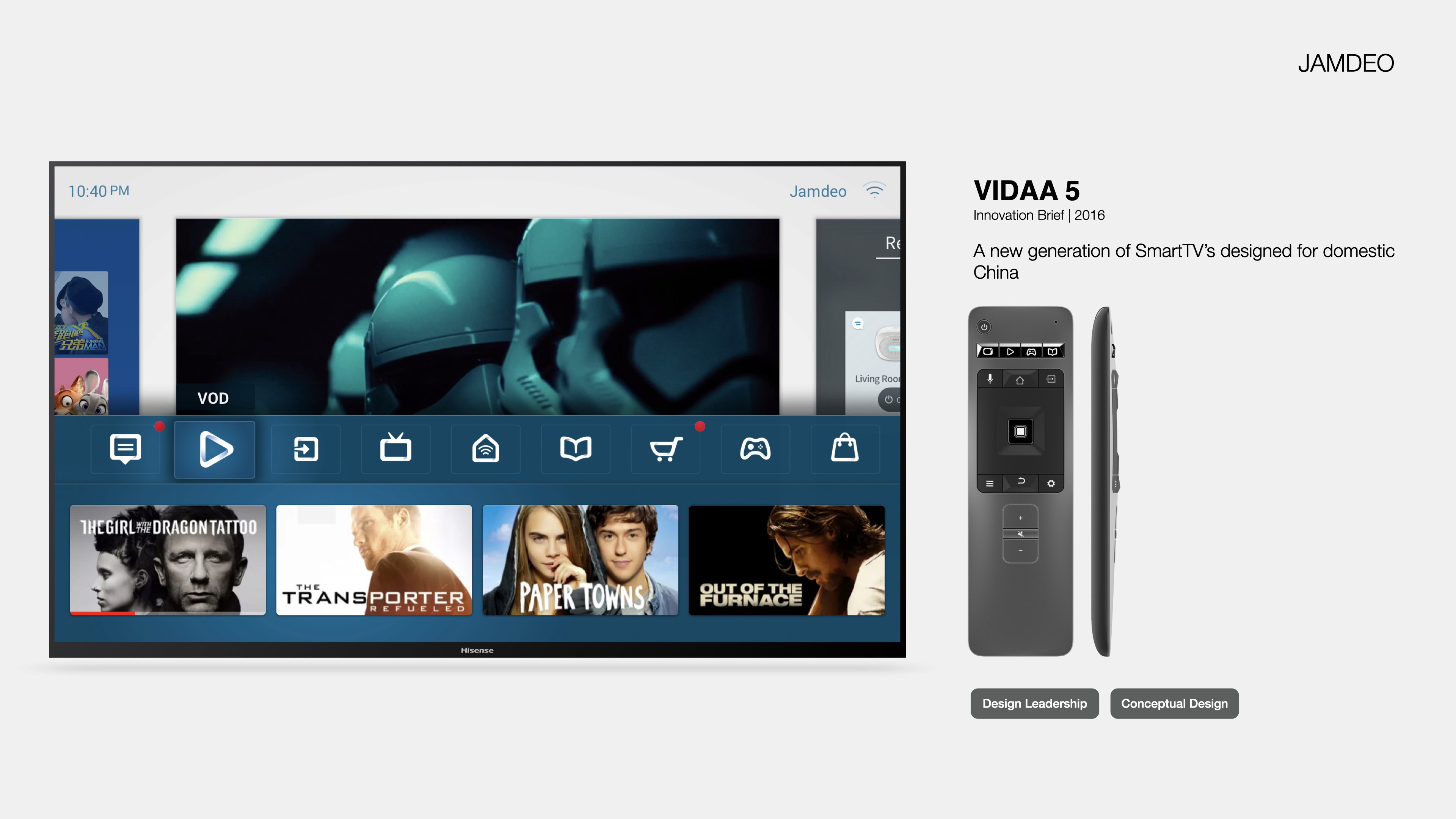
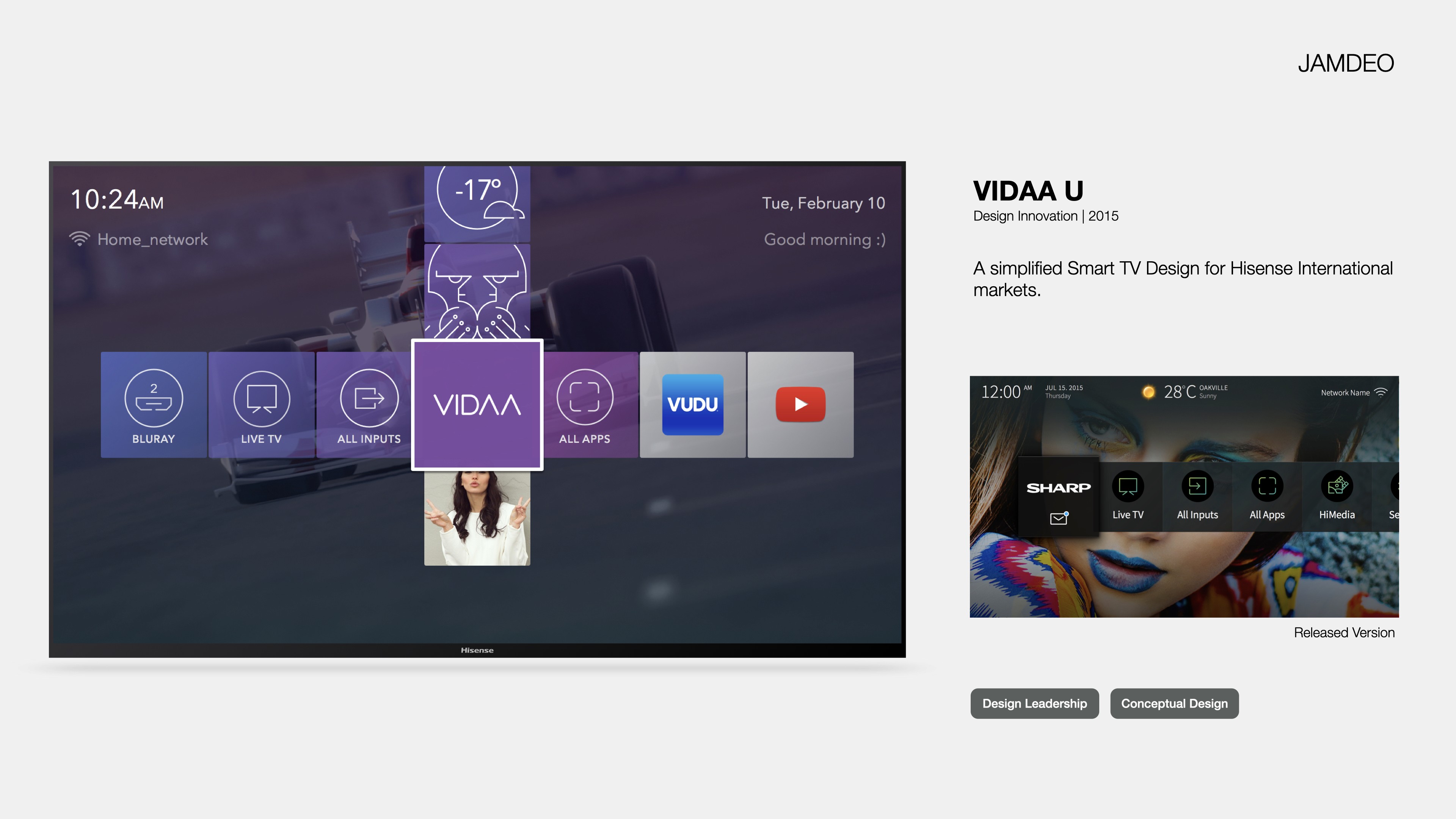
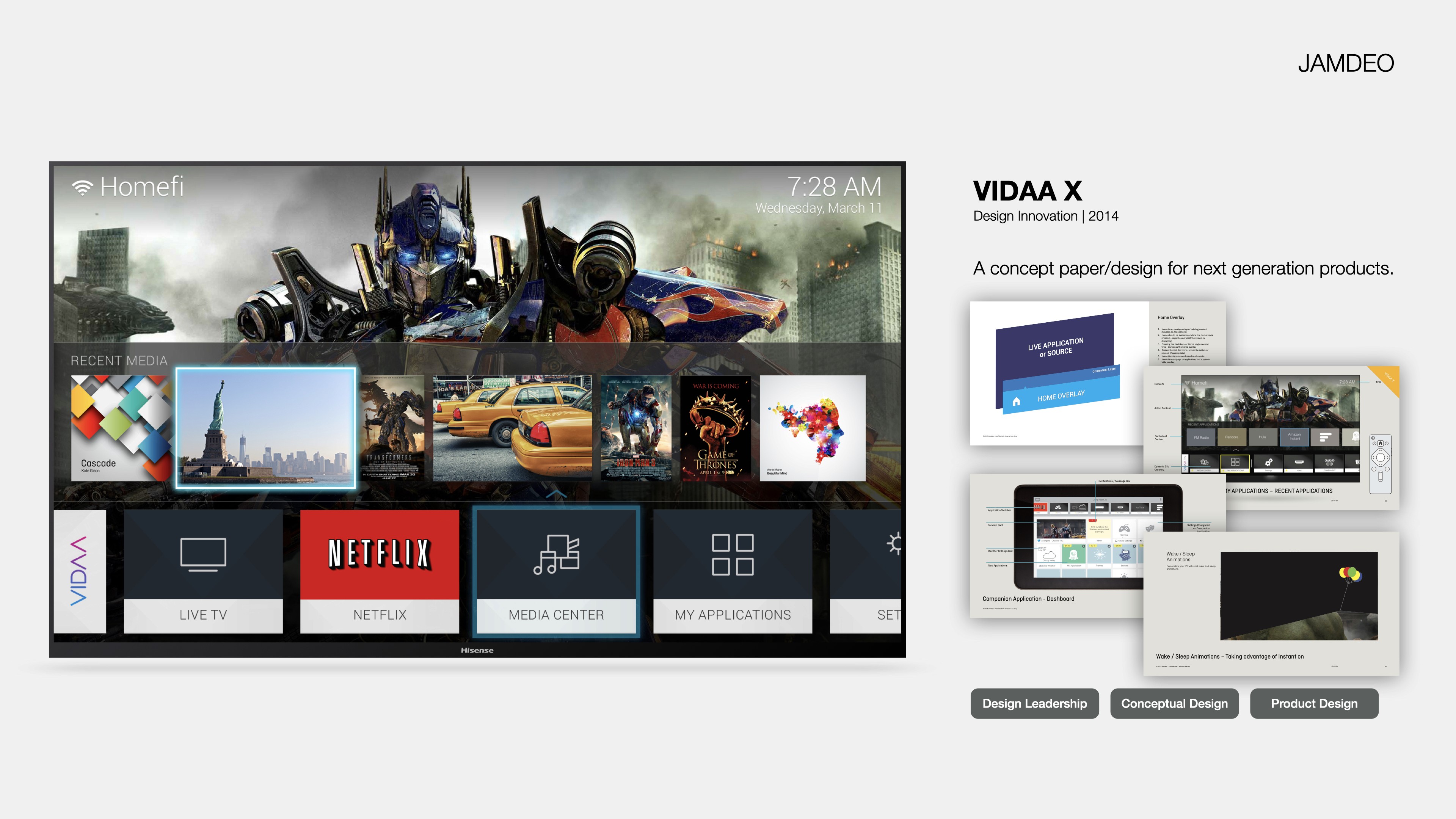
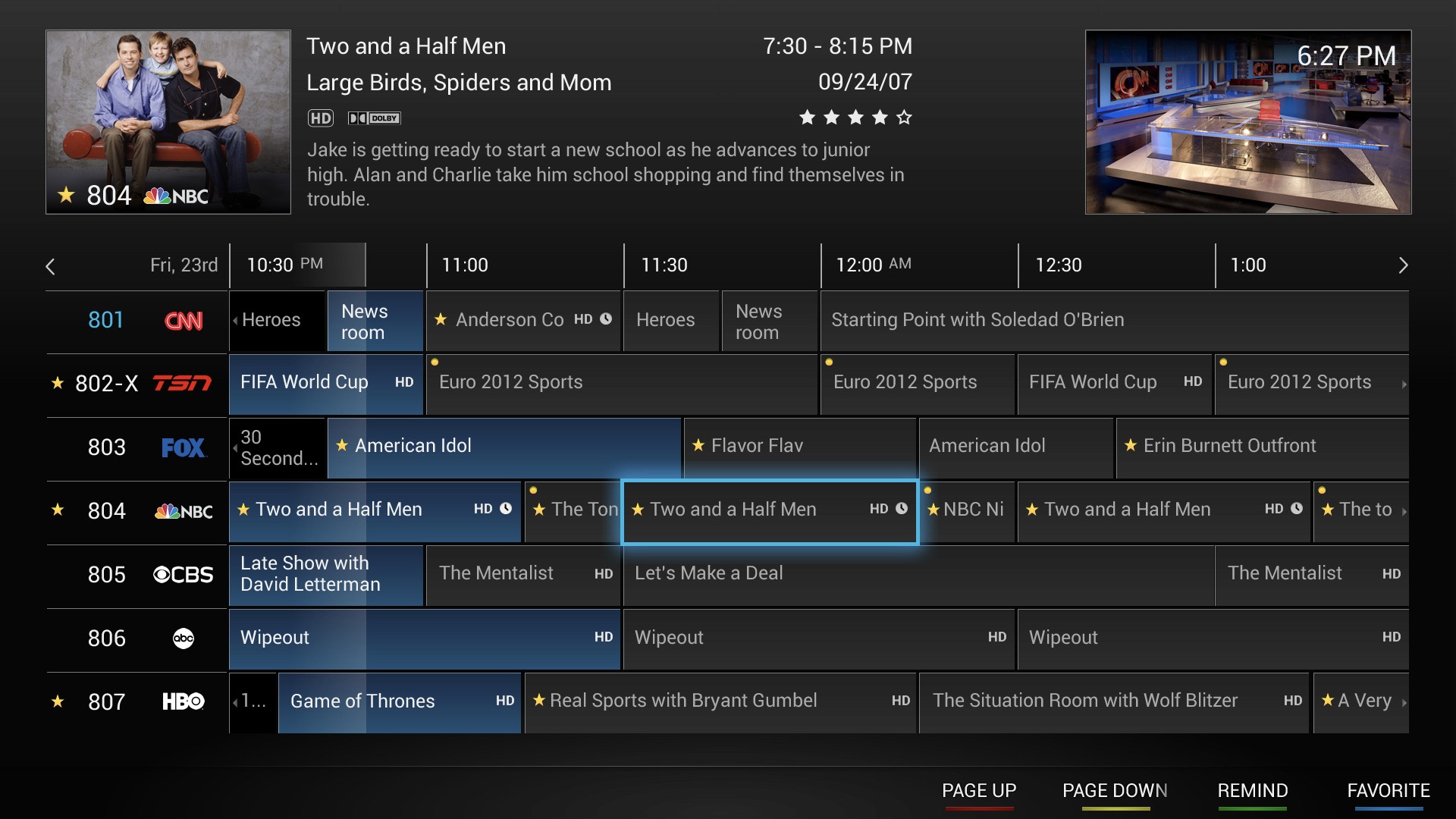
Created VIDAA Smart TV OS from zero - championed the product vision and pioneered the Linear Lean-Back UX that replaced the industry-standard grid interface, scaling from 1M devices at China launch to 20M+ globally across five generations of TVOS design (including user interface, design system, and consumer applications)
Built and led a 14-person global design studio - recruited and directed the Toronto team while traveling to China to pitch concepts and align execution across Hisense's domestic team, bridging two design cultures into a single product team.
Developed an Innovation Design Stack at Jamdeo - a systematic methodology that extracted defensible IP directly from design exploration, generating 50+ patents
Elevated to CIDO to lead Smart TV innovation for Hisense globally - conceived of MODUS, a software and hardware platform defining the next generation of VIDAA
1 - New Product Line - VIDAA
5 - Generations of VIDAA Smart TV’s
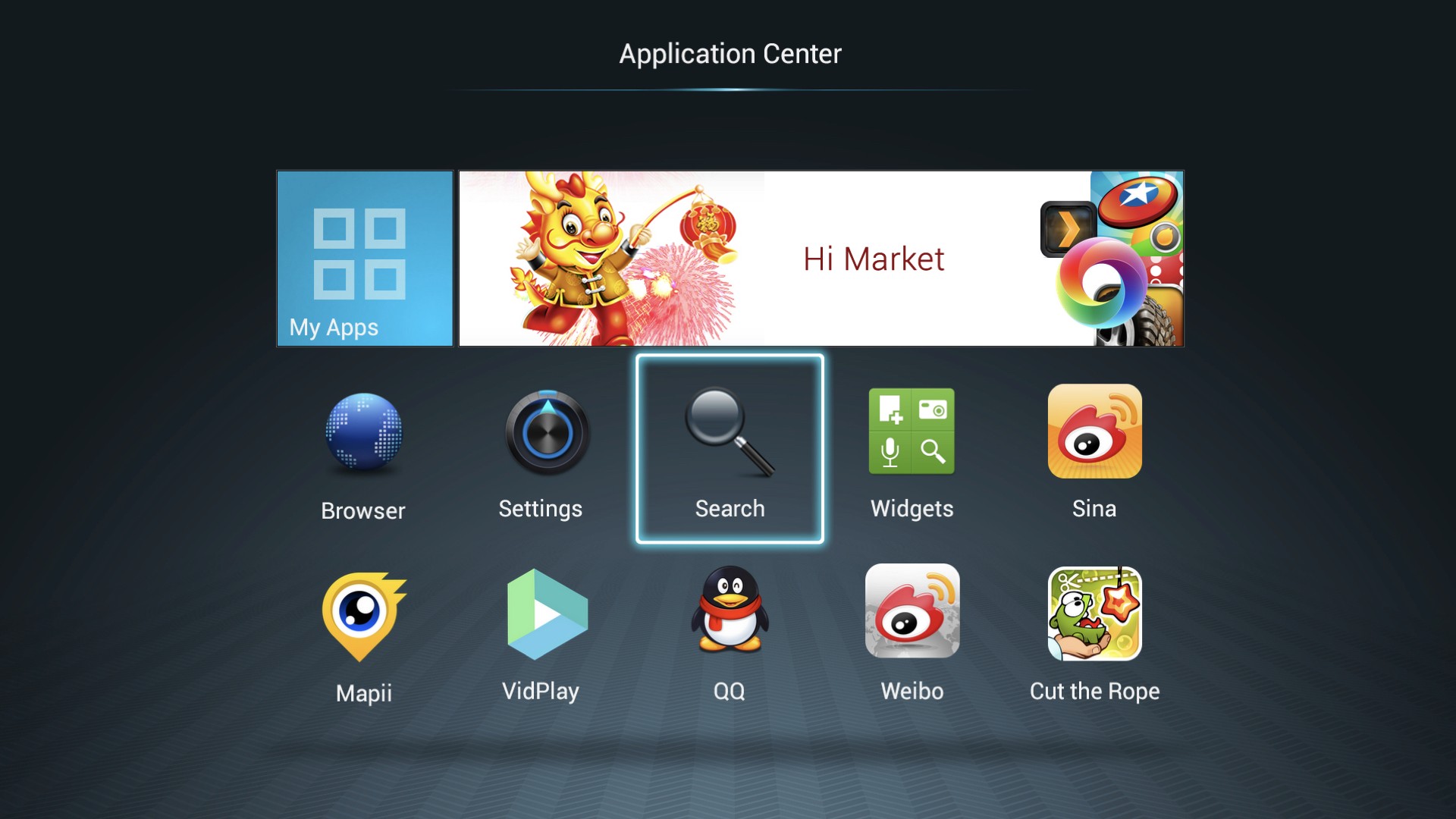
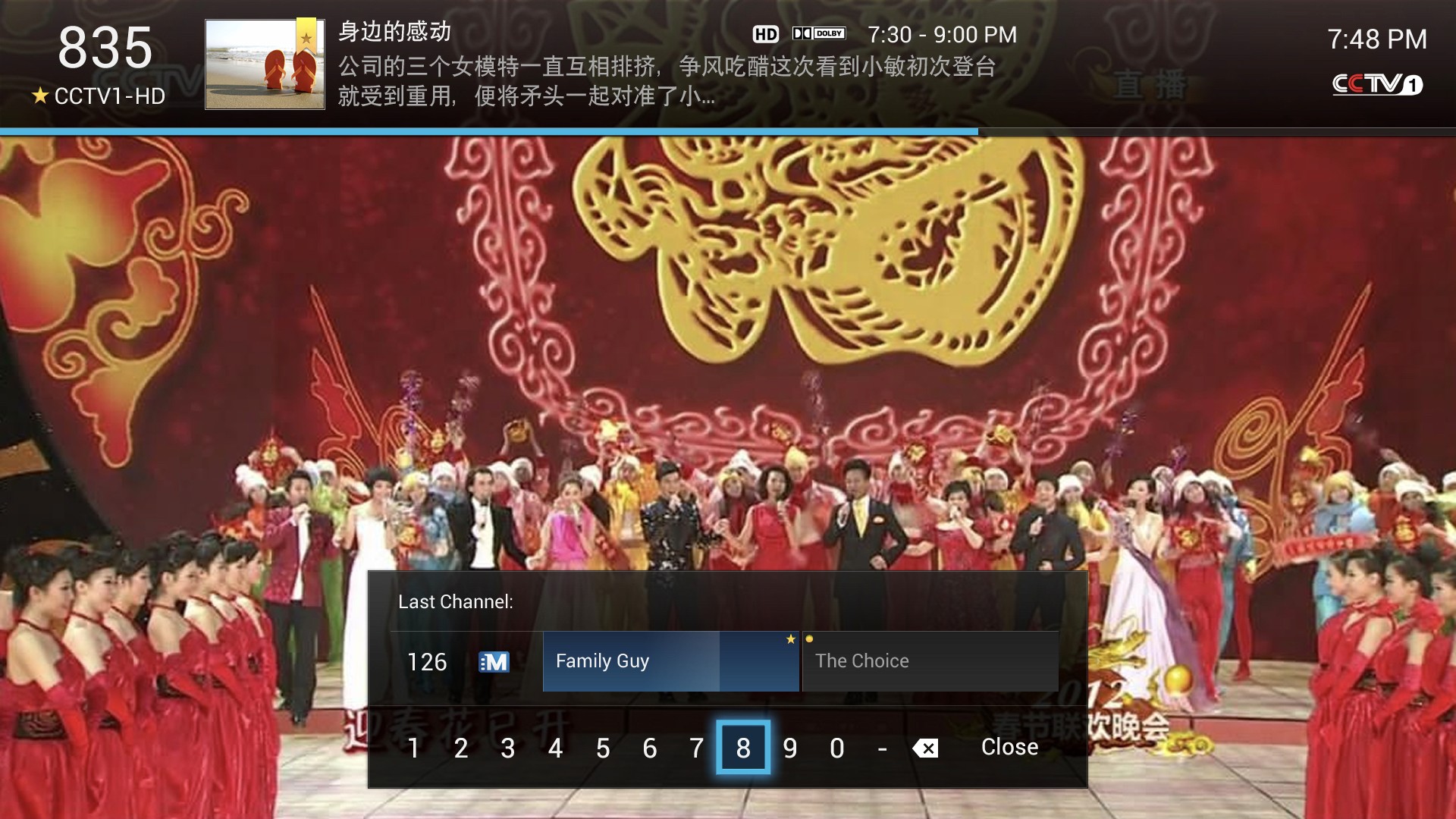
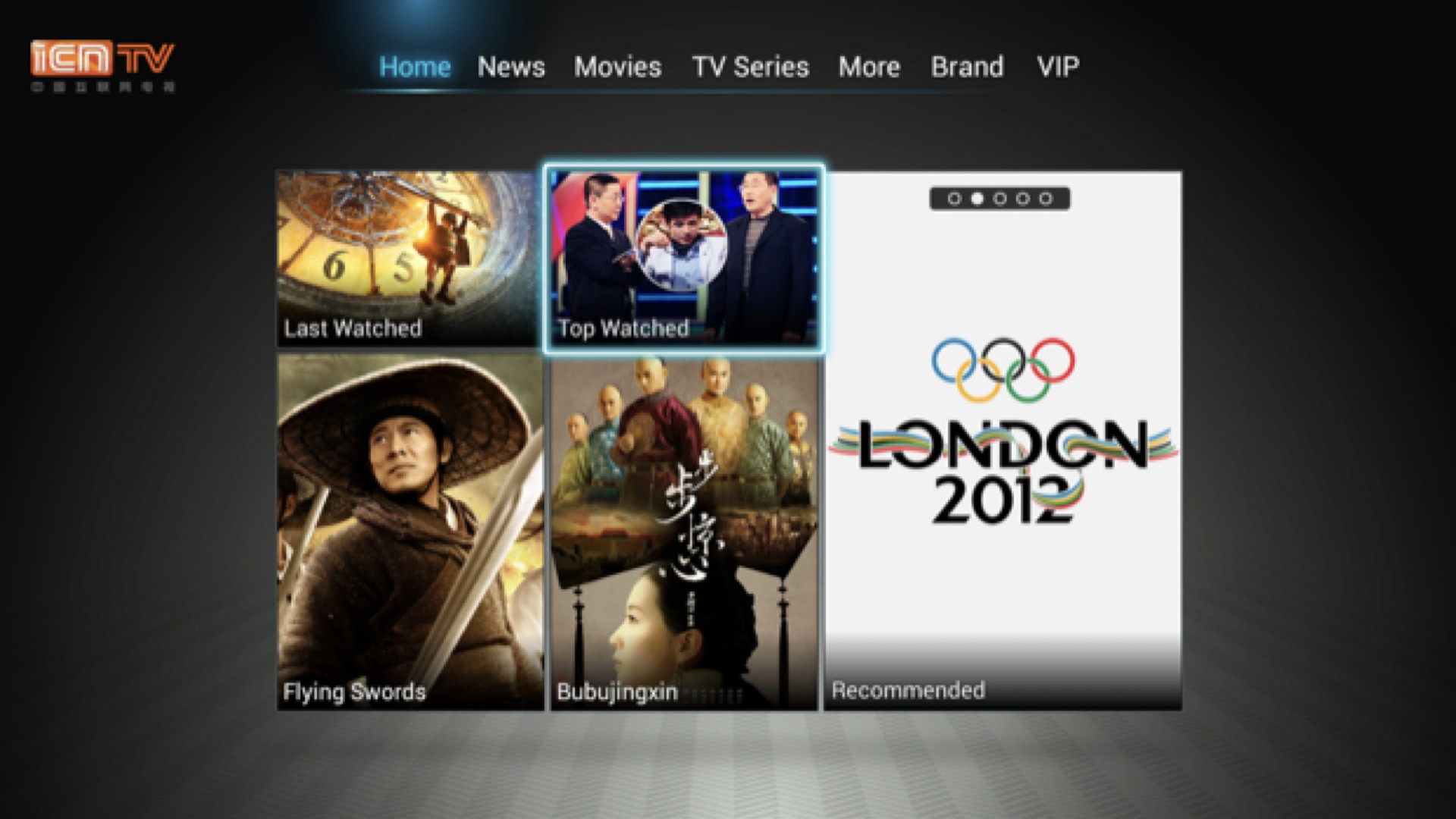
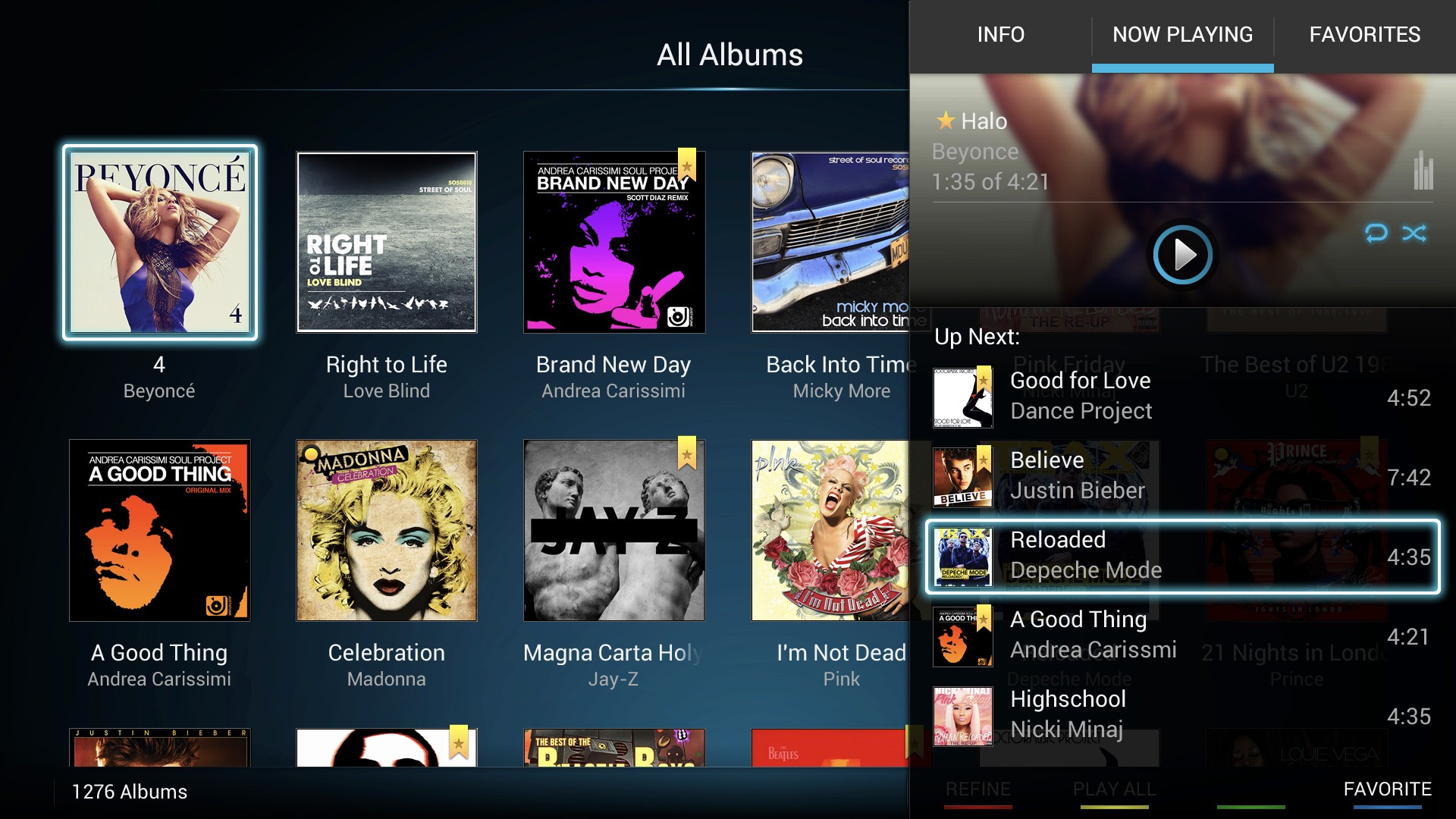
4 - Consumer Centric Media Applications (Live TV, Media Center, Video on Demand, Apps)
1 - Global Design Studio - 14-person global design studio, spanning Canada and China
50+ - Patent Applications & Grants
25,000,000+ - Devices that shipped to market (2019)
Read the case study below
/
The Solution
(02)
We built a SmartTV brand from the ground up.
Design Innovation Program
Summary of Activity
Discovery - Contextualize Problem
Diverge - Ideate & Create
Coverage - Refine & Decide
Visioning - Framing Innovation & IP
Contextual & Market Research
Before designing anything, we had to understand the world we were designing for. That meant immersing the team in the Chinese market - the cultural context, the technology landscape, the trends shaping where TV was going.
We studied the 10-foot experience specifically: how people actually interact with a screen from across a room, with a remote, from a couch.
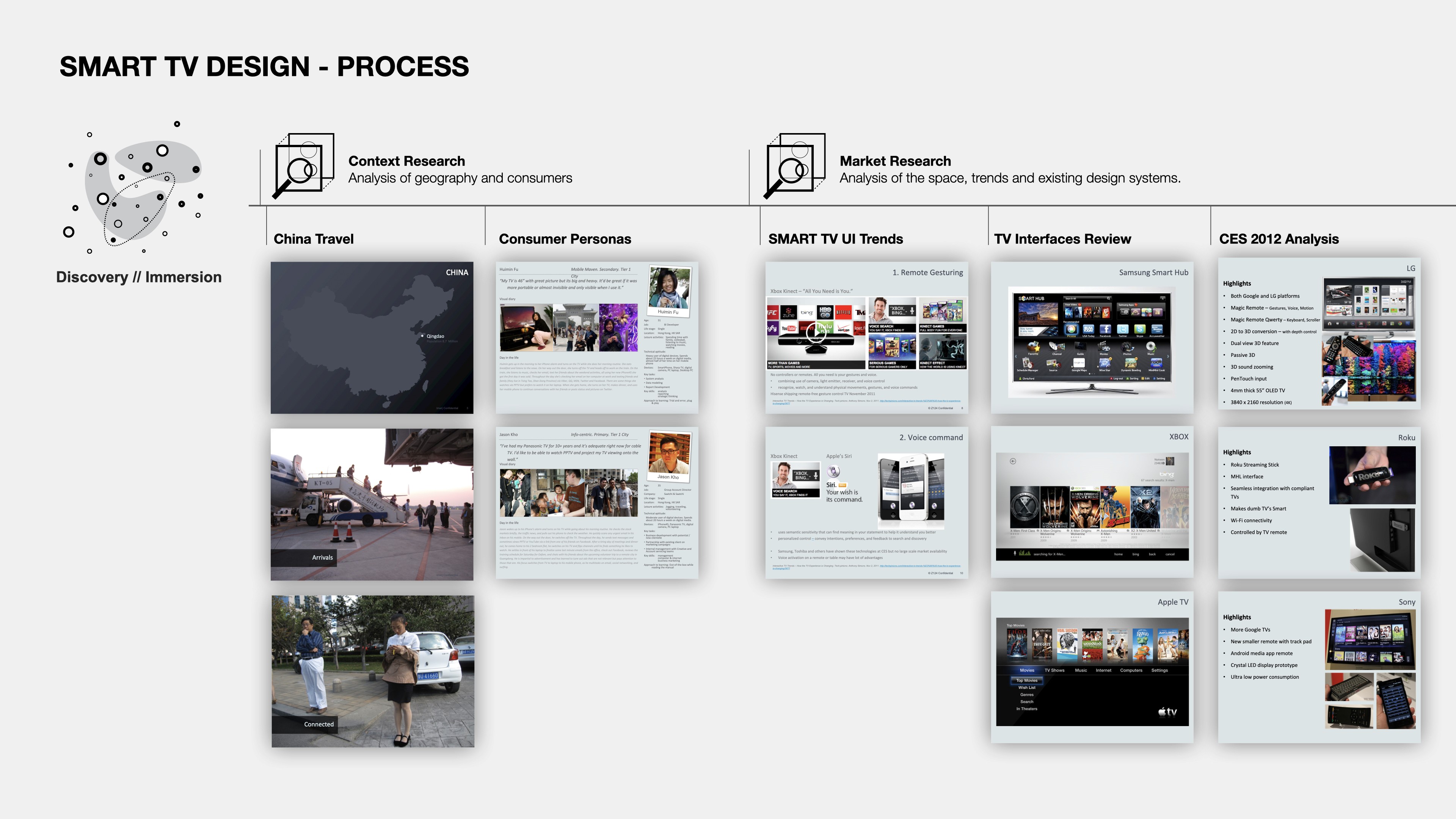
Design Research & Insights
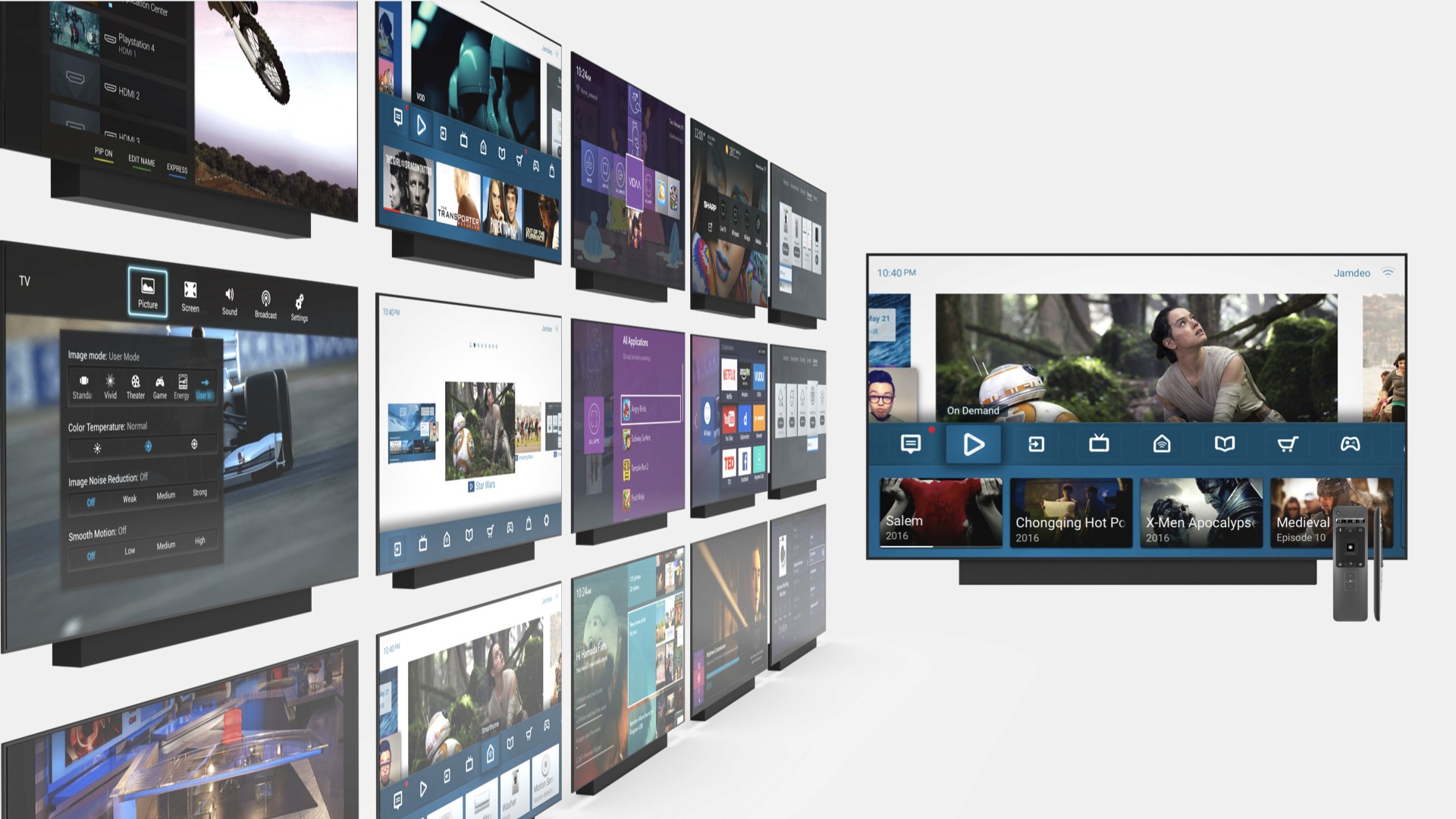
From that immersion we built our own interaction and visual design patterns, and developed a completely new operating model for the 10-foot experience - a tvOS designed around the simplicity of a standard remote control.
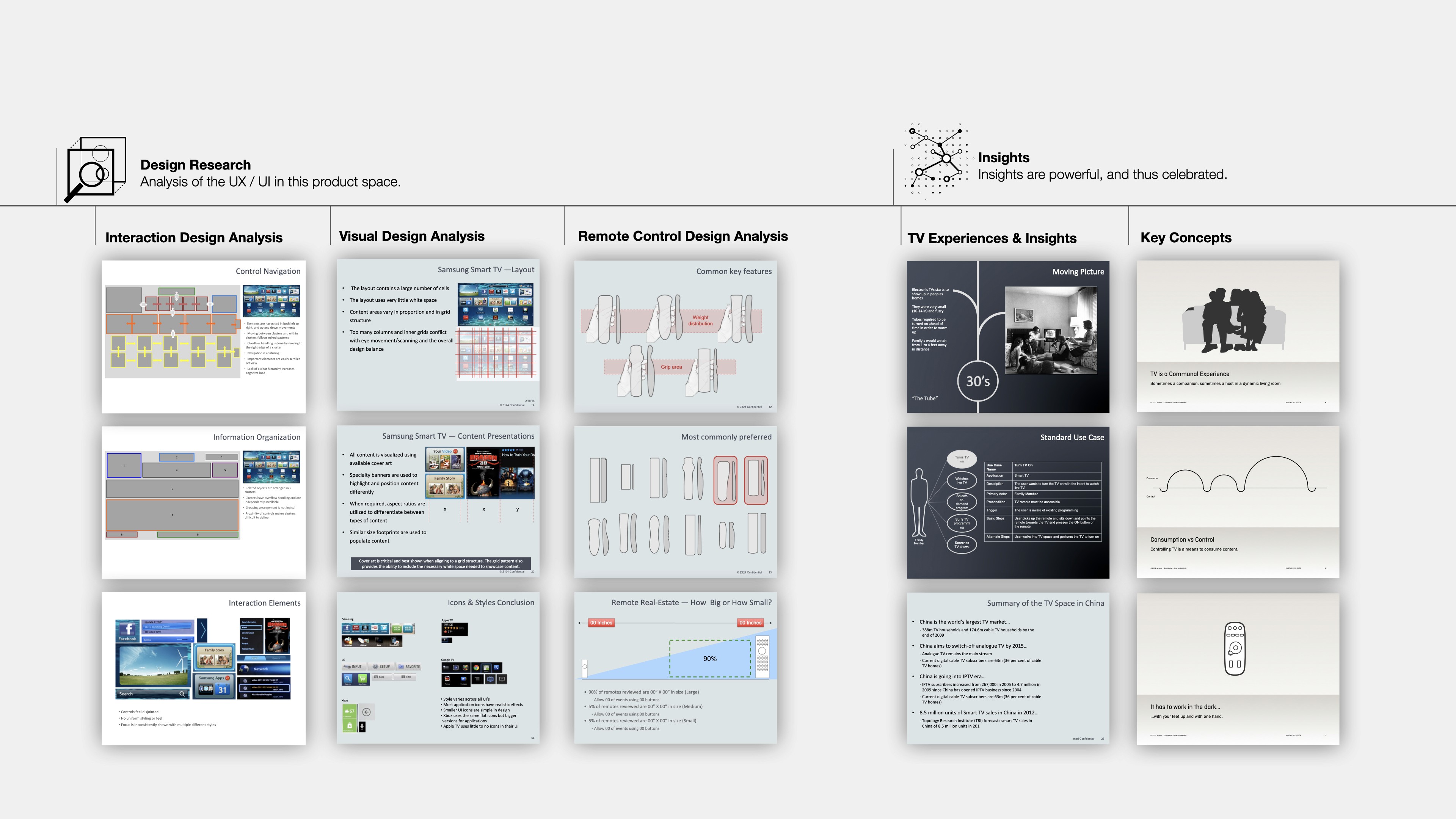
Project Planning & Concepts
We synthesized a point of view, defined guiding principles, and then moved fast - a proof of concept in six weeks.
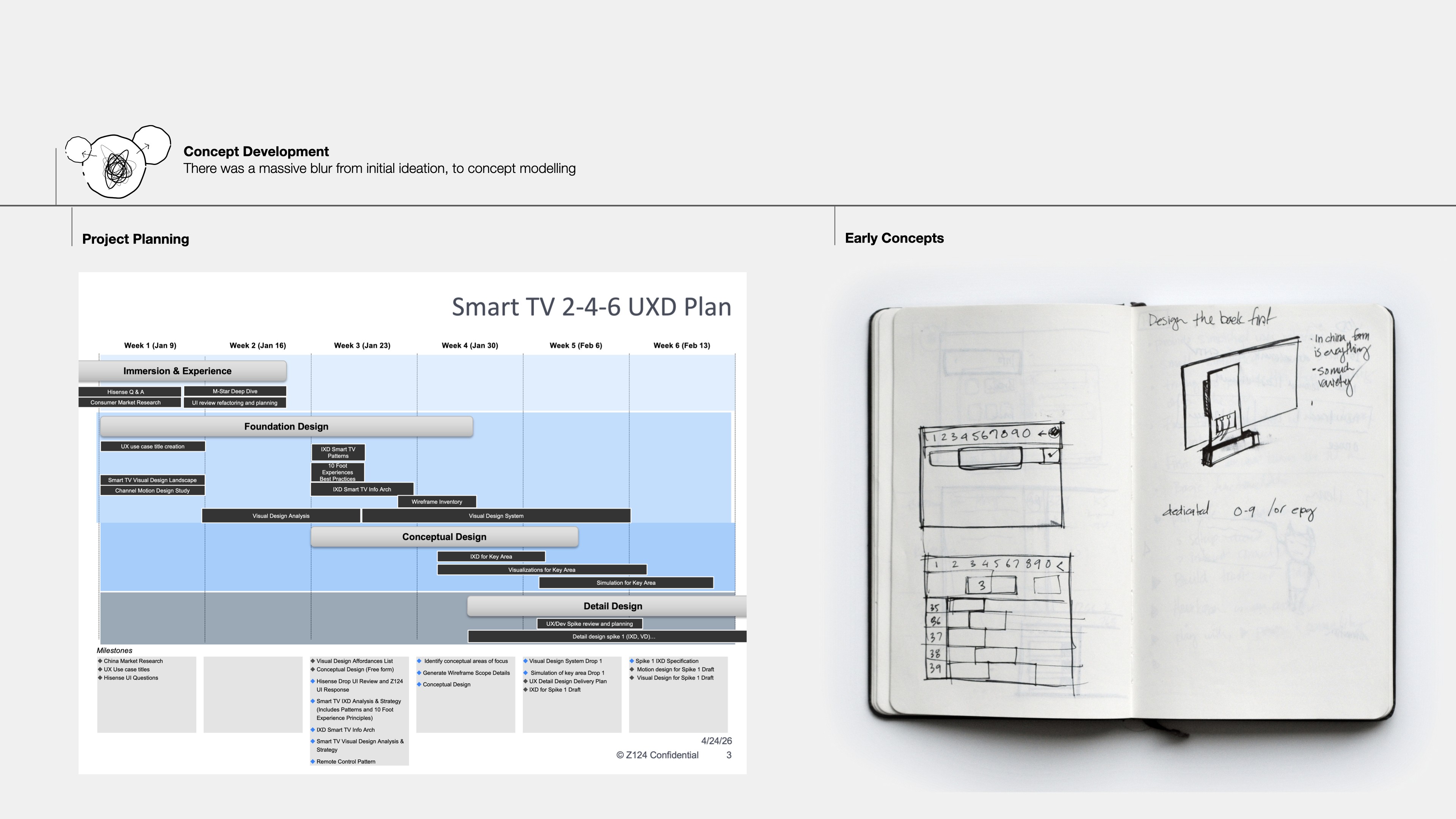
Concept Elaboration
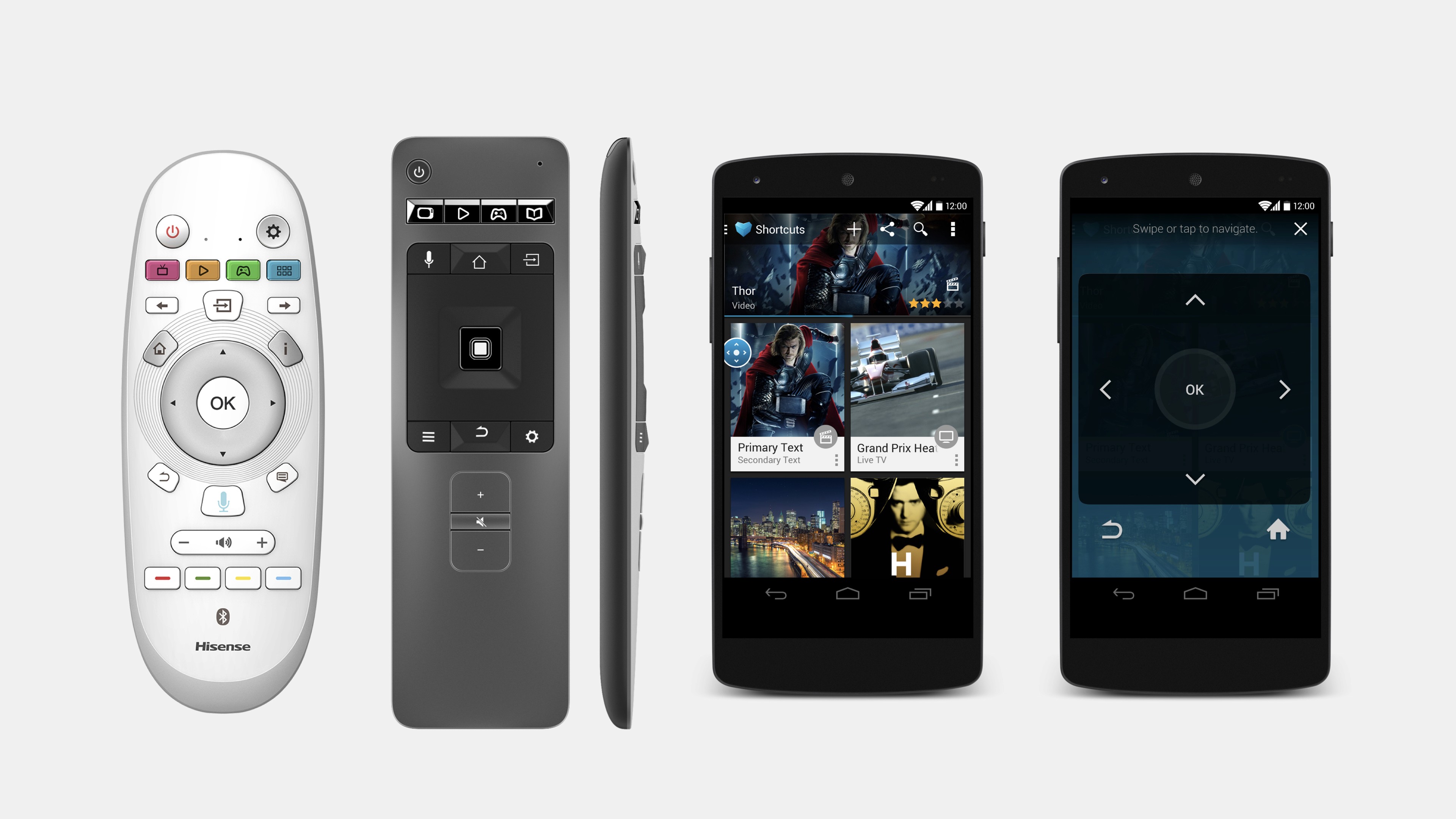
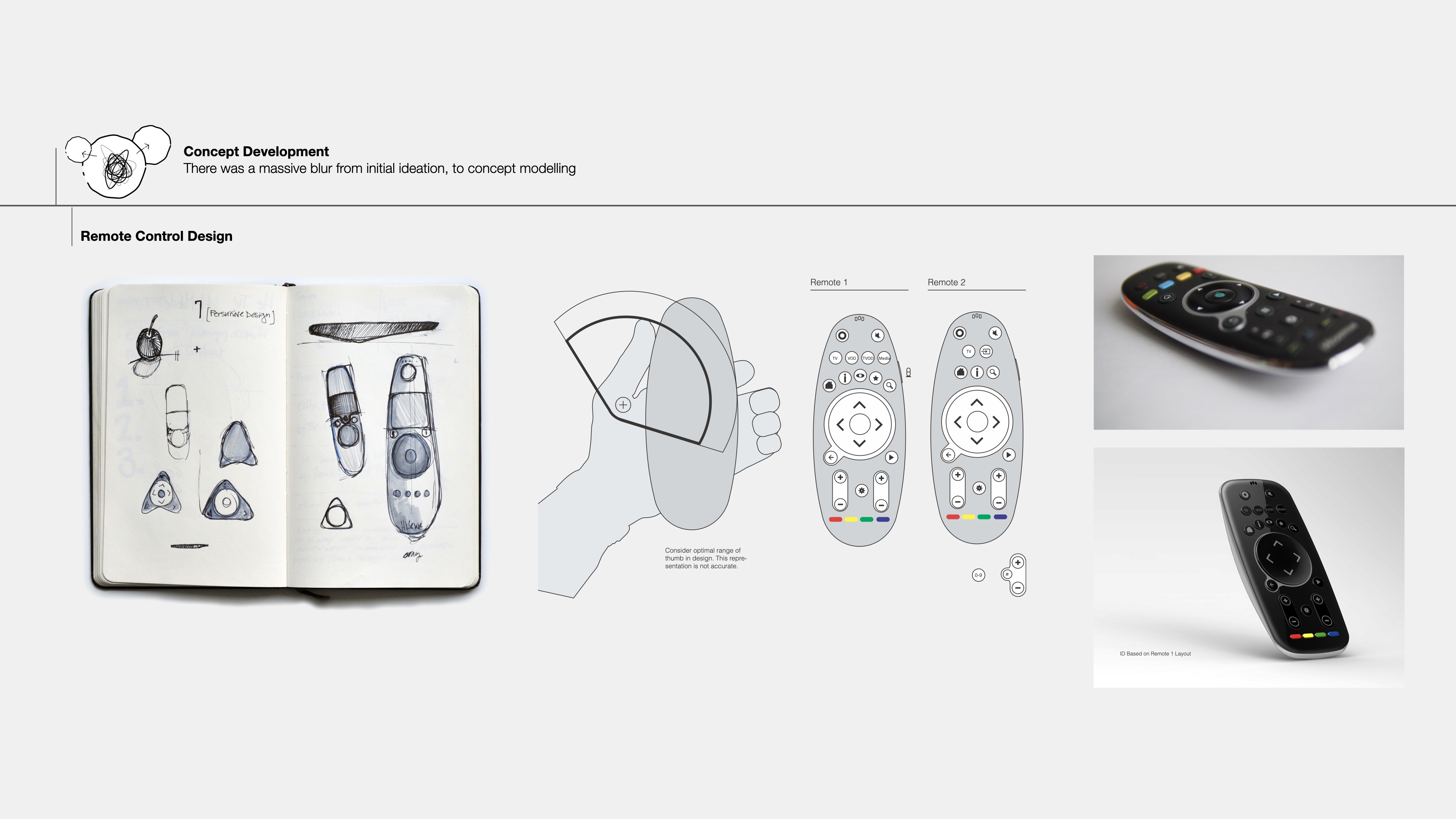
Remote Control Design
Designing a simple TV required the redesign of the remote control. Every button we took away from the remote, we had to then build in SW.
Prototyping the Vision
We developed robust motion studies and product prototypes to validate and circulate the core experience. This methodology mitigated development concerns, de-risked product features, and allowed us to surface design intent.
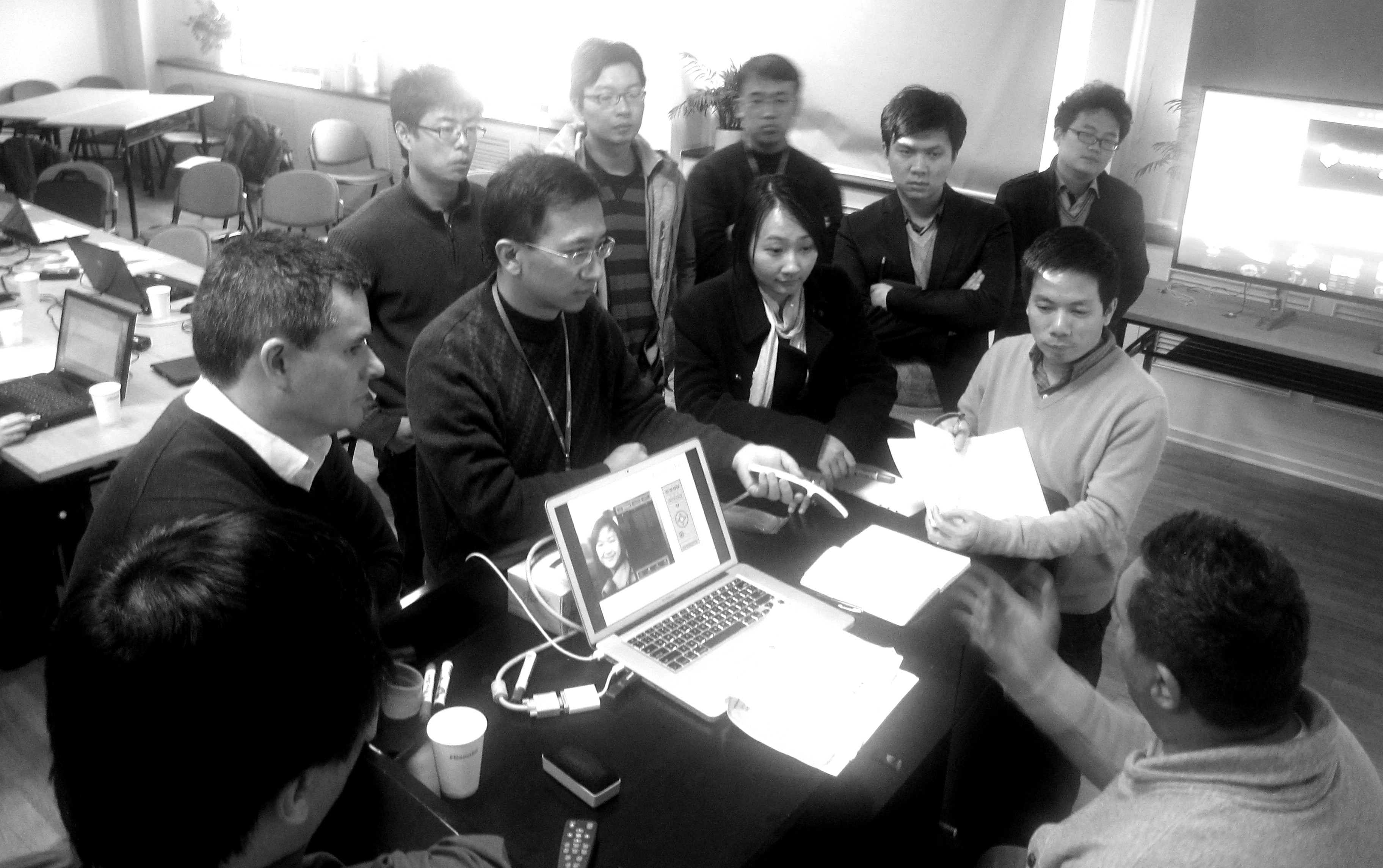
Stakeholder Review & Sign-off
We synthesized a point of view, defined guiding principles, and then moved fast - a proof of concept in two to three weeks. We took it to China and presented it to Hisense. They were overwhelmingly pleased. That moment locked in the direction and gave the team the mandate to keep going.
Design Elaboration Program
Getting from vision to ship across five hardware generations required a design system that could survive engineering, localization, and manufacturing realities in two countries.
I was responsible for product feature decisions at both the OS and application level - determining what went into tvOS, how features were prioritized, and how they were expressed across the product.
Summary of Activity
High Level Design -Explore Direction
Foundation - Design Systems
Detail design- Crafting Products
Construction - Implementation Support
Building the Product
Working with engineering to unblock delivery was a constant. High-level design sets direction without over-committing.
Five generations. Twenty-five million devices.
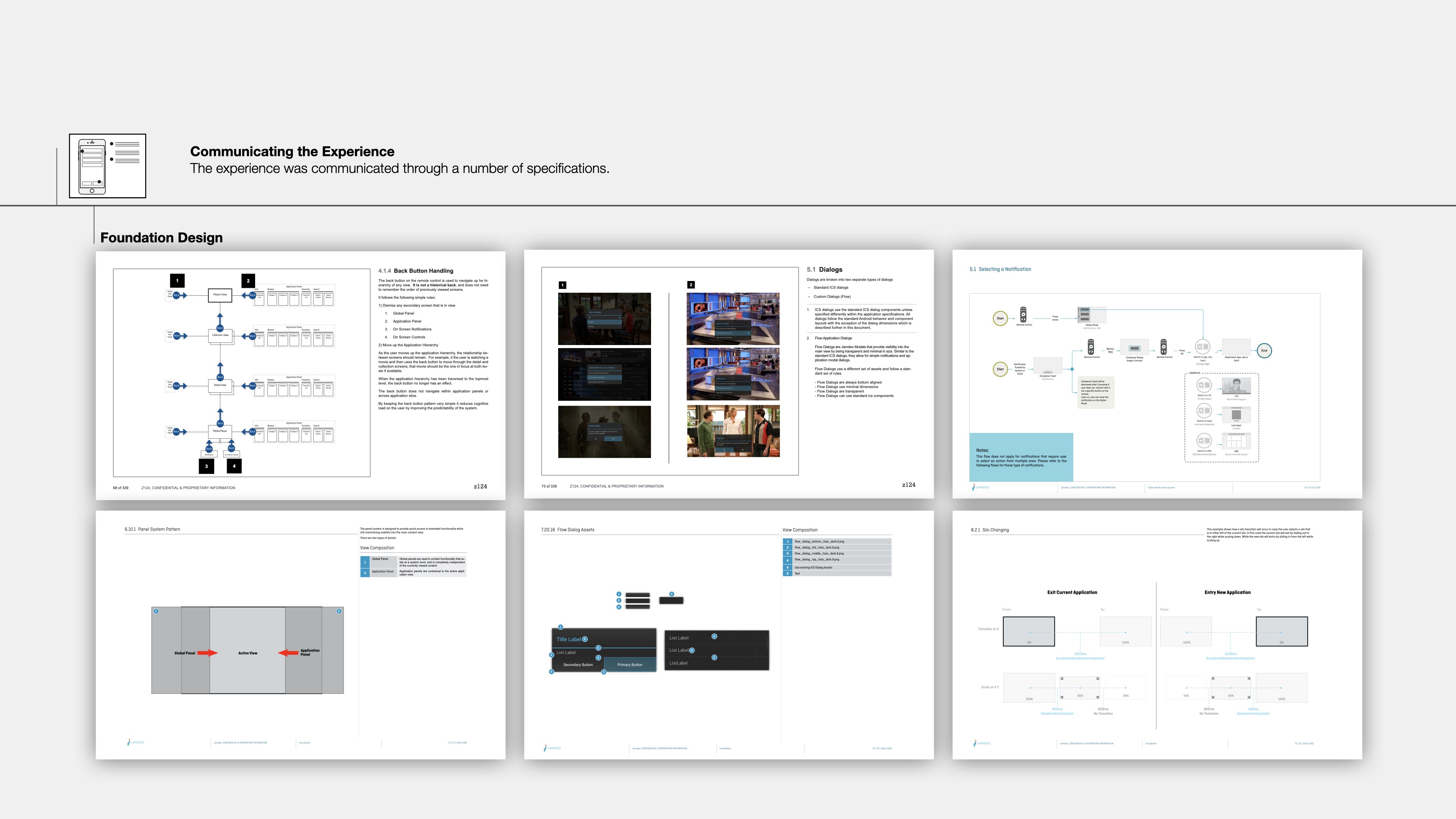
Foundation Design
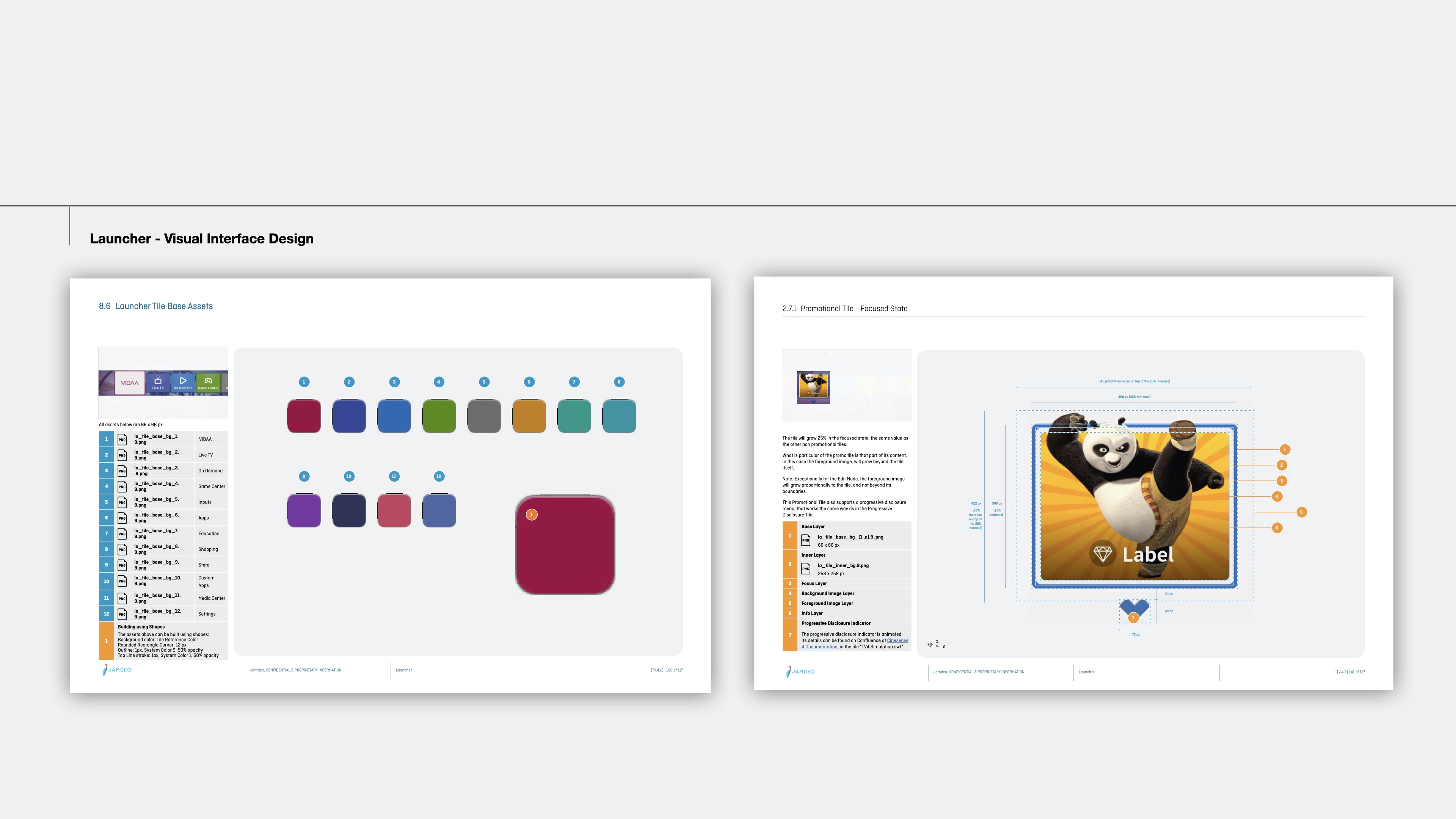
The Foundation stage built the design system - components, motion, interaction states - before detail design began.
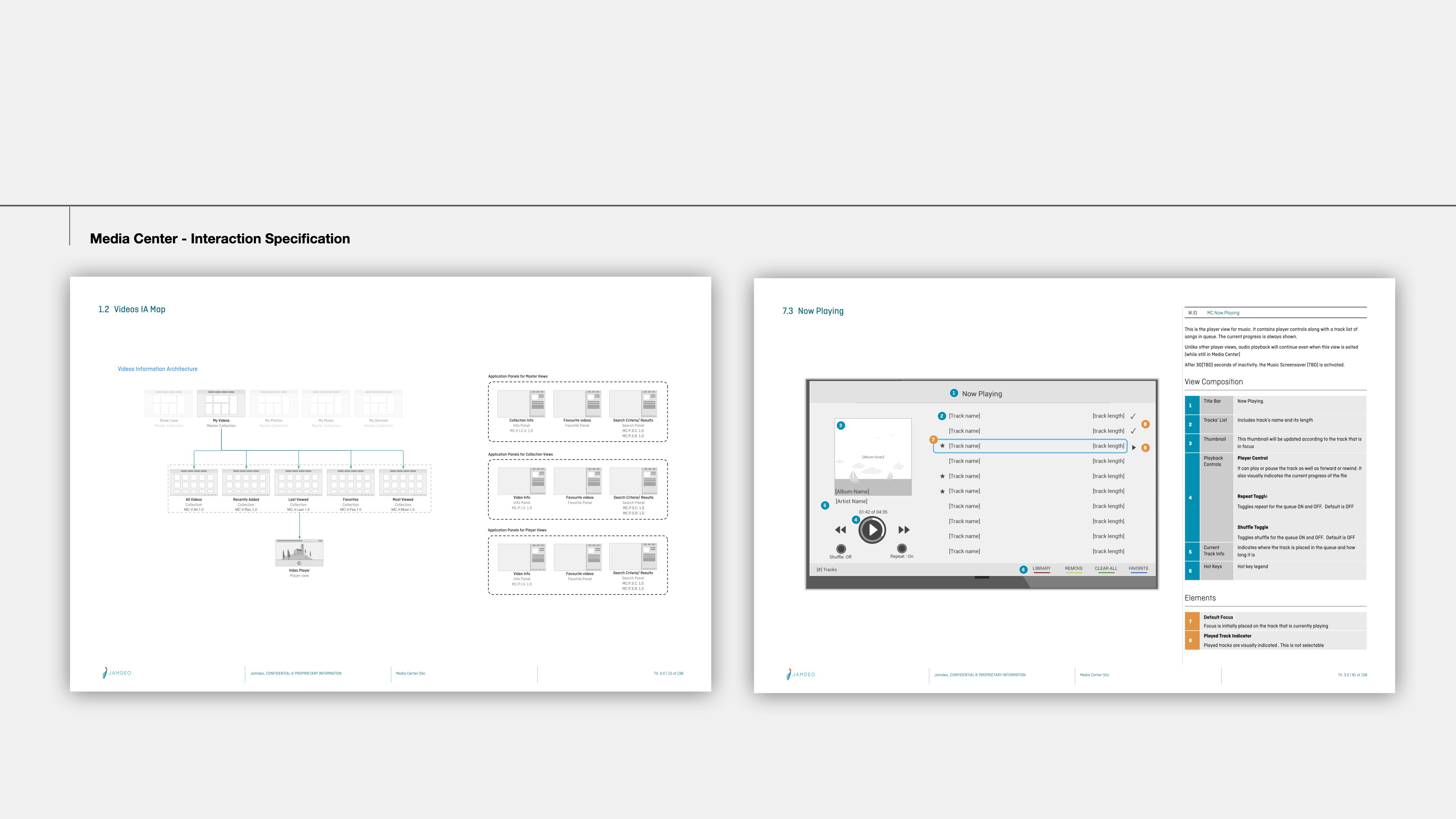
Detail Design
Detail design was where the craft lived: every screen, every state, every edge case. Construction meant staying in the room with engineering until it shipped right.
Magical Moments
Product Experience
Design Leadership
Hisense needed a Smart TV that could differentiate its product line. Flextronics had a design team looking to prove its value after Imerj.
I took a core of six designers and redirected them fast - from mobile to television, from a cancelled product to a net-new one. The goal wasn't just to design a better TV. It was to build a valued design organization.
That meant managing stakeholders across two organizations, advocating for design to have the space to do its best work, and making product decisions before the process was fully defined.
I mentored the team, raised the quality of our design artifacts to meet hardware documentation standards, and built design ops, design direction, and program management in paralle.
Summary of Activity
Design Org +Recruiting + Hiring
Design Studio + Design Ops
Language + Design Systems
Creative / Design Direction & Oversight
Project + Program Management
/
Vision
(03)
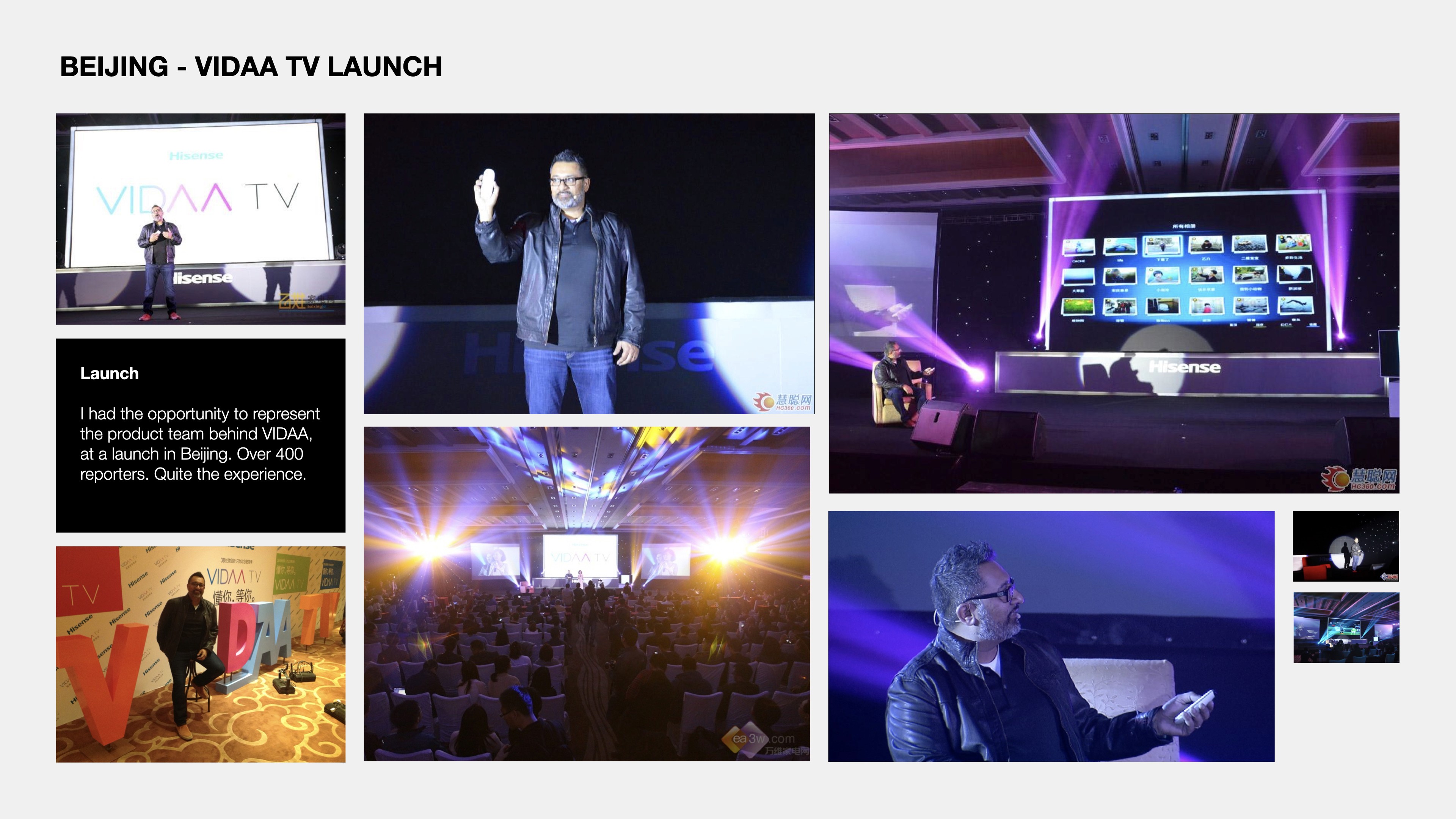
Standing on stage to launch a VIDAA was the highlight of my time at Jamdeo
Jamdeo successfully completed a design of a novel TV experience that could be used by anyone. The first generation of product sold 6 million TV’s, and my team and I received an Innovation award for doing so.
/
Future Releases
(04)
New Innovation Cycle
Each generation triggered a new innovation cycle, evaluating emerging technologies and new product concepts to determine what was ready to incorporate.