IMERJ.
Scope
Project
Role
Year
/
Summary
(01)
Can a smartphone be the only computing device you need?
Problems / Challenges
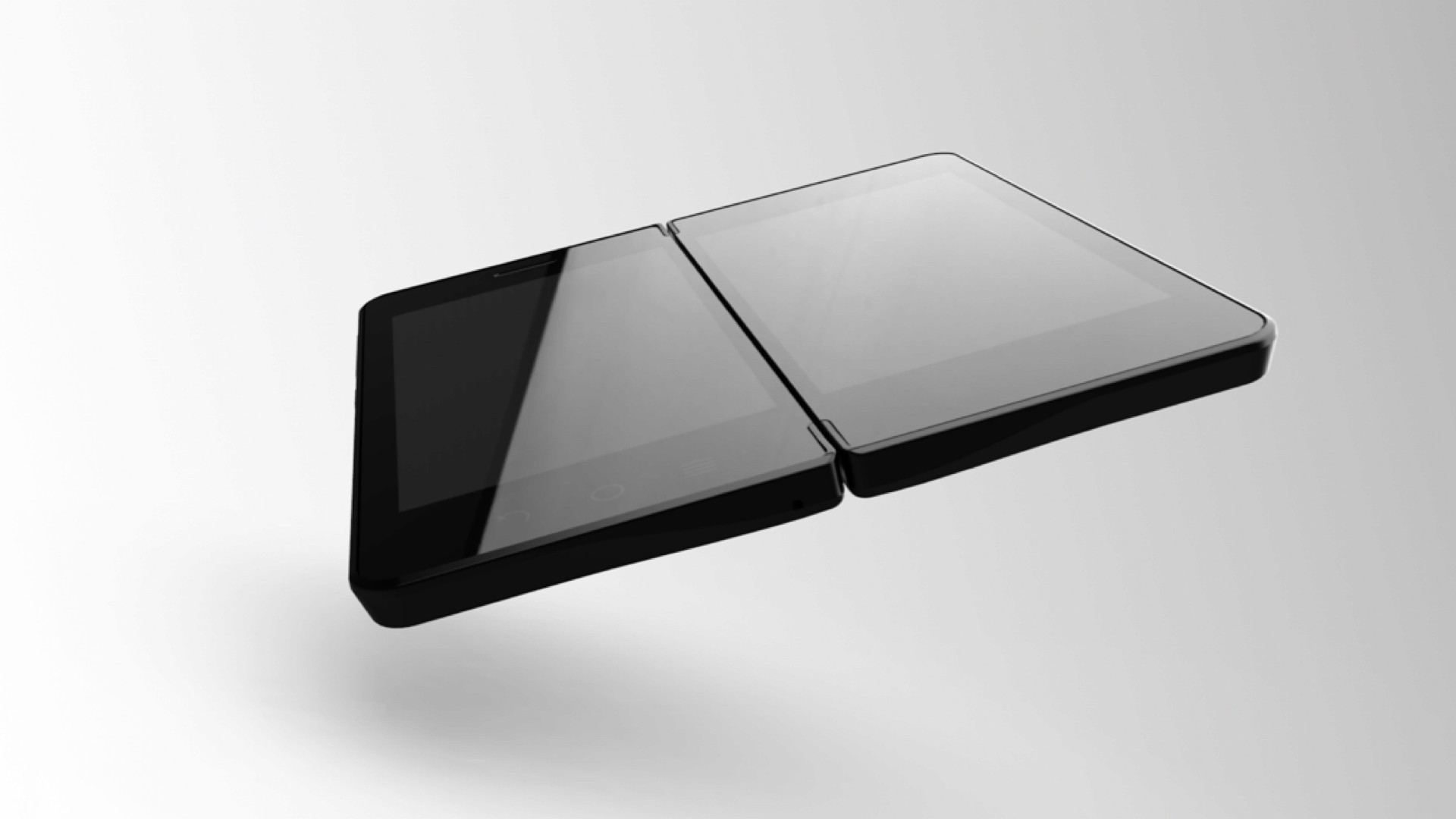
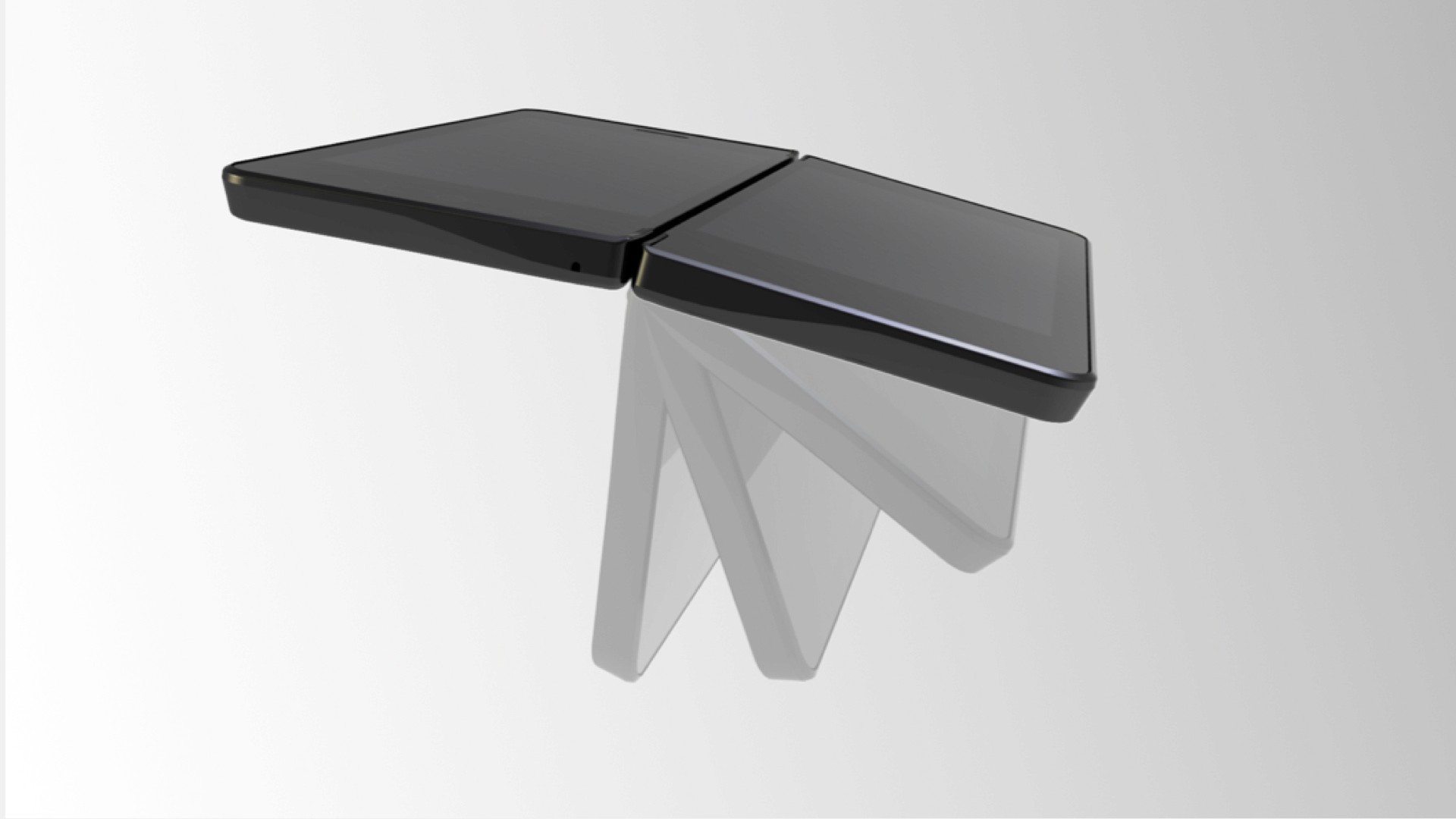
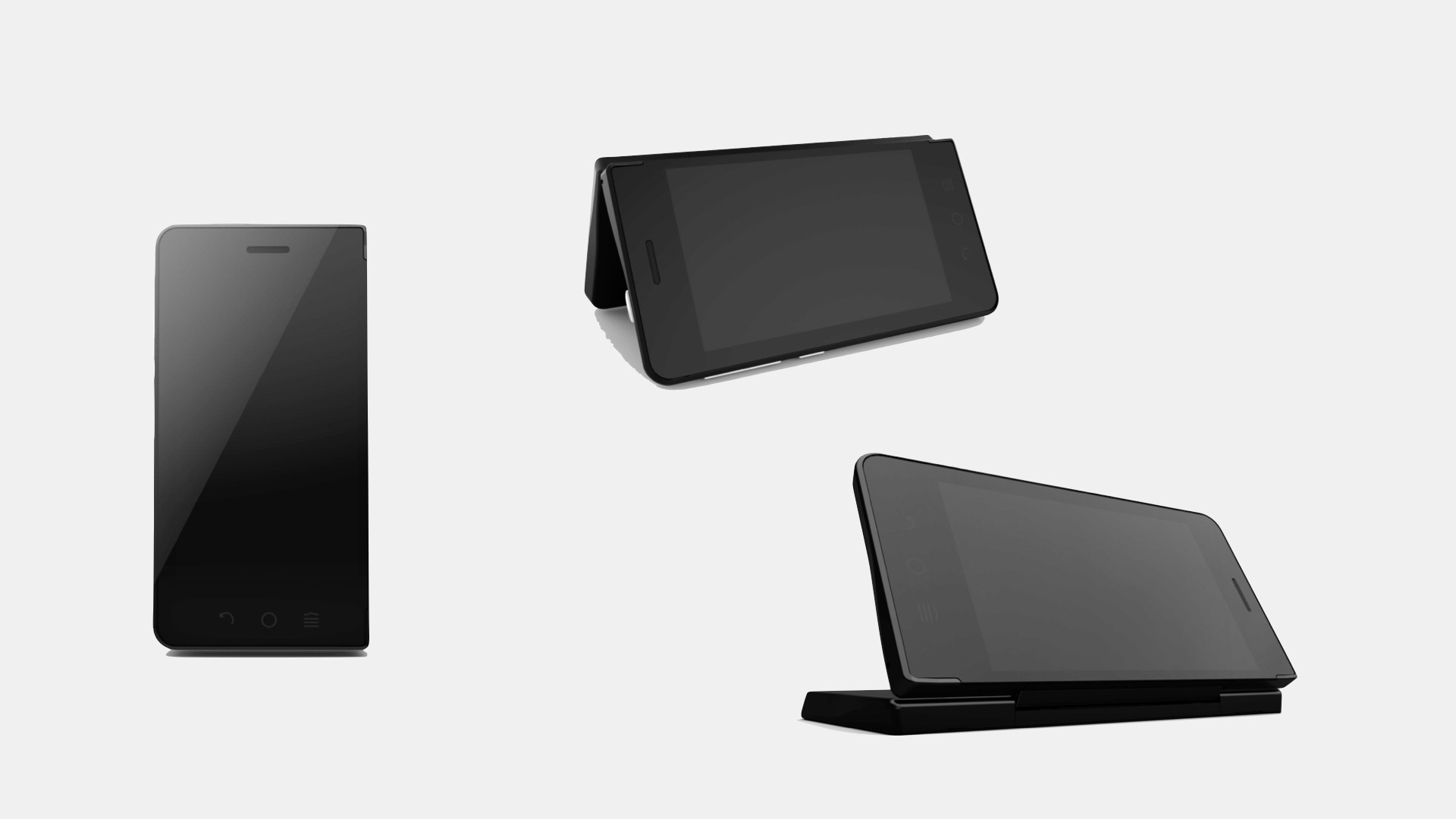
In 2008 - before the iPad, before the tablet category existed - Flextronics set out to answer that question. But the brief didn't arrive fully formed. It emerged. What started as a narrow mandate - notebook innovations - grew over several months into something far more ambitious: a dual-screen smartphone that could dock into a tablet or desktop form factor, running a unified custom OS across all three states. A single device. Three modes of computing.
There was no precedent. No design language to borrow from. No comparable product on the market. The more the vision clarified, the clearer it became - someone had to design the OS, the applications, and an interaction model for a form factor that didn't yet exist.
My job was to deliver all of it. I led the vision from concept to execution - starting solo, then building and guiding a world-class design team to create a seamless dual-screen experience that spanned devices and OSes.
Outcome
As founding designer and product champion, defined product vision and UX for a category-defining cross-computing platform - a single coherent system spanning three form factors, OS’s, design systems and 20+ native applications before dual-screen computing existed as a category
Drove the Imerj DS Phone to production-ready state - directing design, collaborating with Eng/Product/QA to deliver core OS UI + all mobile applications, passed Google CTS and field testing; stopped by business conditions
Invented and patented multi-OS, multi-screen interaction models across three form factors - establishing a new paradigm for single user experience across devices and input modes that didn't exist before IMERJ, resulting in 200+ patents as primary inventor
Built a distributed global design organization from scratch - scaled to 25 designers across 3 teams and established the design culture and practice model.
/
Case Study
(02)
The Imerj Phone - A Cross Computing Device
1.0 - Design Leadership
I found the role on Craigslist. Flex was looking for a GUI designer - a word most people had stopped using by 2008. I knew I was walking into an old-school shop. But the brief mentioned notebook innovations, and that was enough.
I joined as a solo designer with a narrow brief: notebook innovations. I initiated an early concept - FlexCore, a lateral screen extension for laptops - that was less a product and more a proving ground. It clarified the core question: what happens when you give a mobile device a second display?
That question caught the attention of a segment president. Within months, the scope had transformed into something far larger: design a dual-screen OS, a tablet form factor, a desktop docking experience, and native applications across all three platforms. All of it new. All of it mine to lead.
What I built:
Design org from zero - recruited and hired a world-class internal team of 25 designers across 4 specialist teams
Design studio and ops infrastructure - tools, documentation standards, specification workflows using Fireworks and InDesign for interaction, visual, and motion layers separately
Design language and systems - unified visual and interaction language spanning three OSes and three form factors
Creative direction and design oversight - weekly stakeholder reviews, daily leadership syncs, active design feedback throughout
Third-party design management - directed and integrated Frog Design as the primary external partner, managing the relationship from brief through delivery
Designer mentorship - actively developed the internal team, building design craft and practice alongside delivery
Program and project management - coordinated across Burlington, Austin (Frog Design), California (product champion), San Diego (app development), and external agency partners
I traveled Burlington–Austin–California on a near-weekly basis for the first 18 months, managing the program across multiple sites simultaneously while building the internal team that would eventually make external reliance unnecessary.
2.0 - Cross Computing Design
[Platform scope diagram sits above this section]
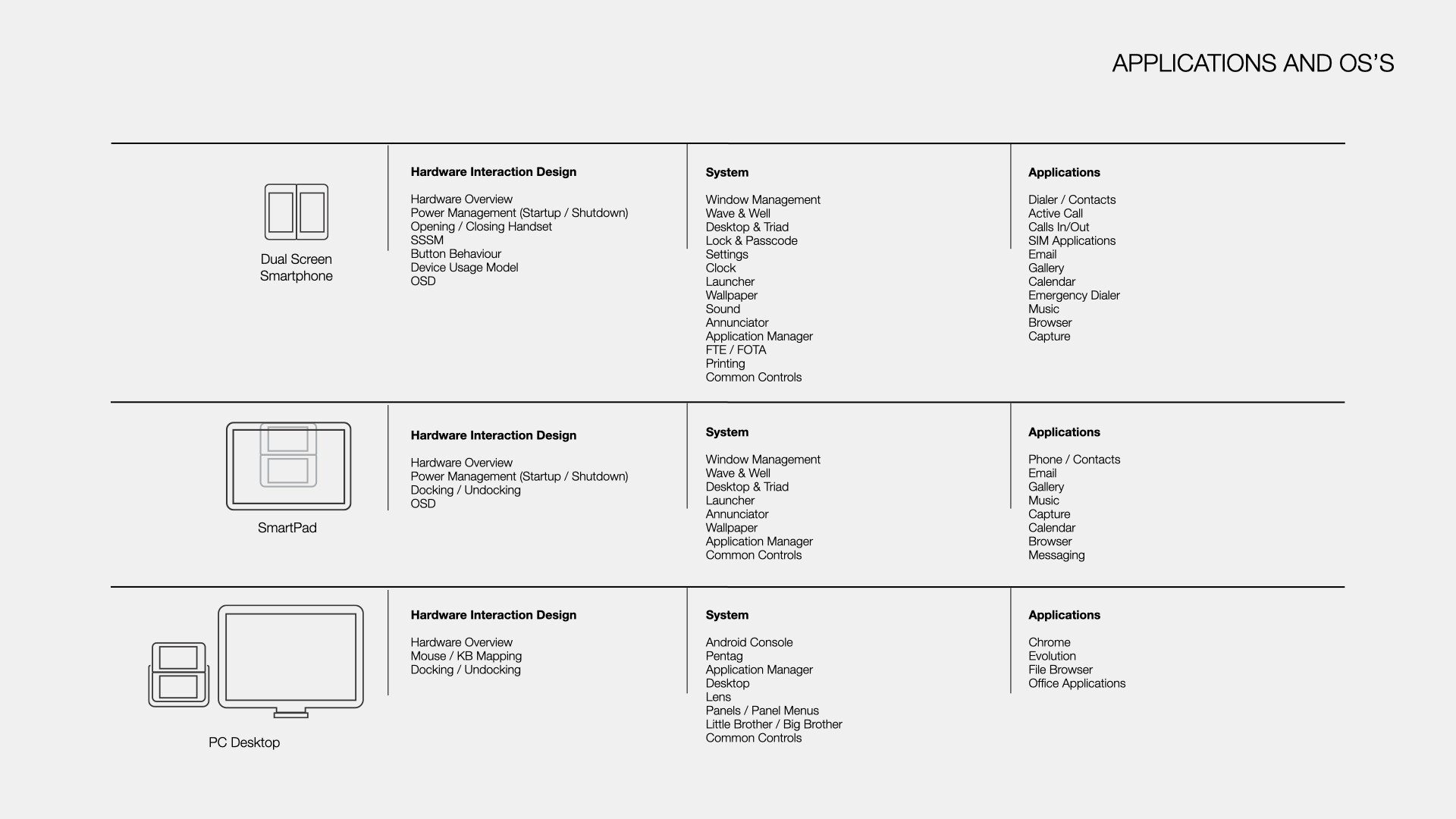
The Imerj platform wasn't a single product - it was a cross-computing system designed to span three form factors, each with its own OS, its own Hardware Interaction Design layer, and its own application suite. Every OS was designed from scratch. Every application was owned by the design team, whether built internally or through external partners acting as our extension.
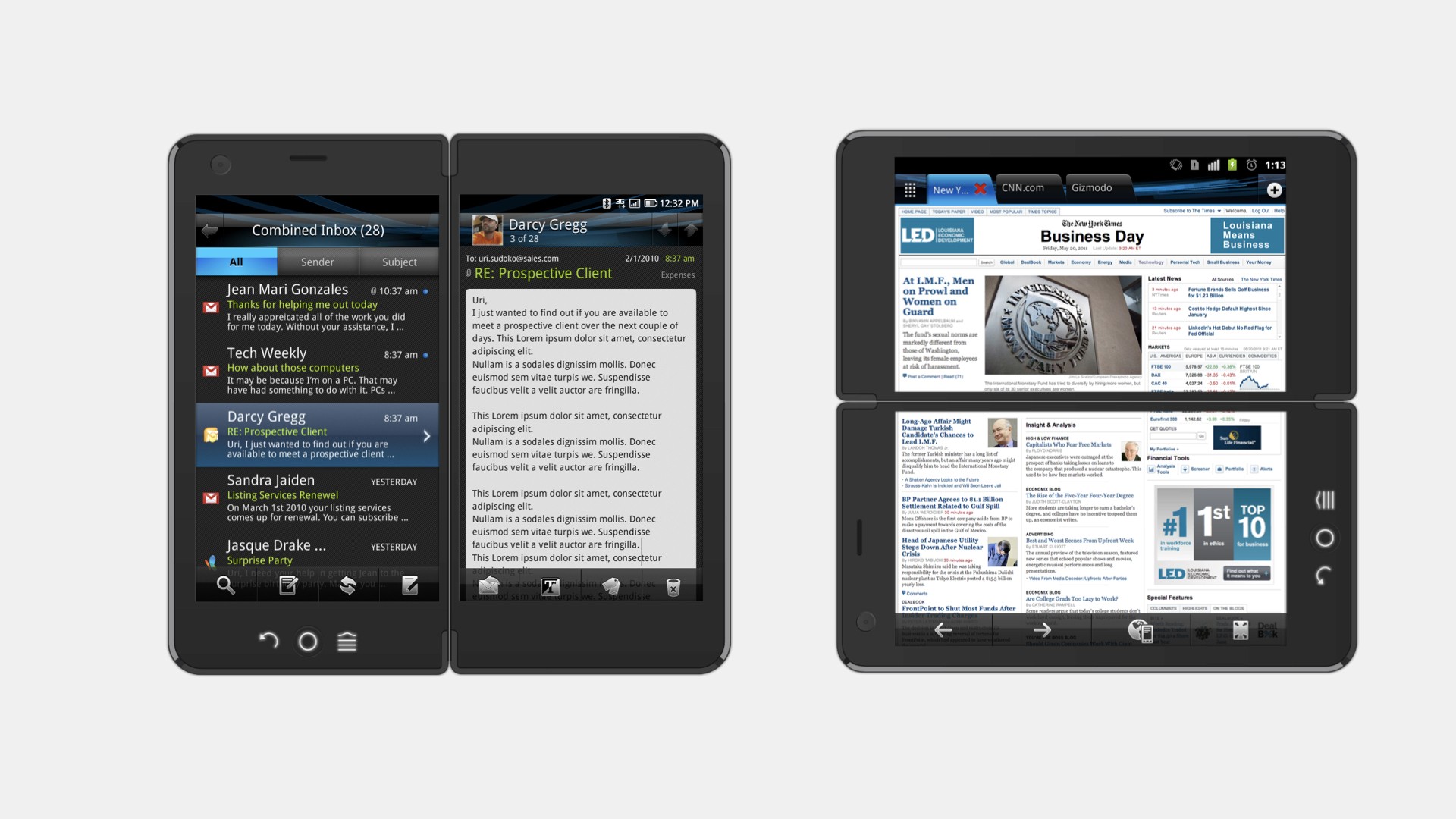
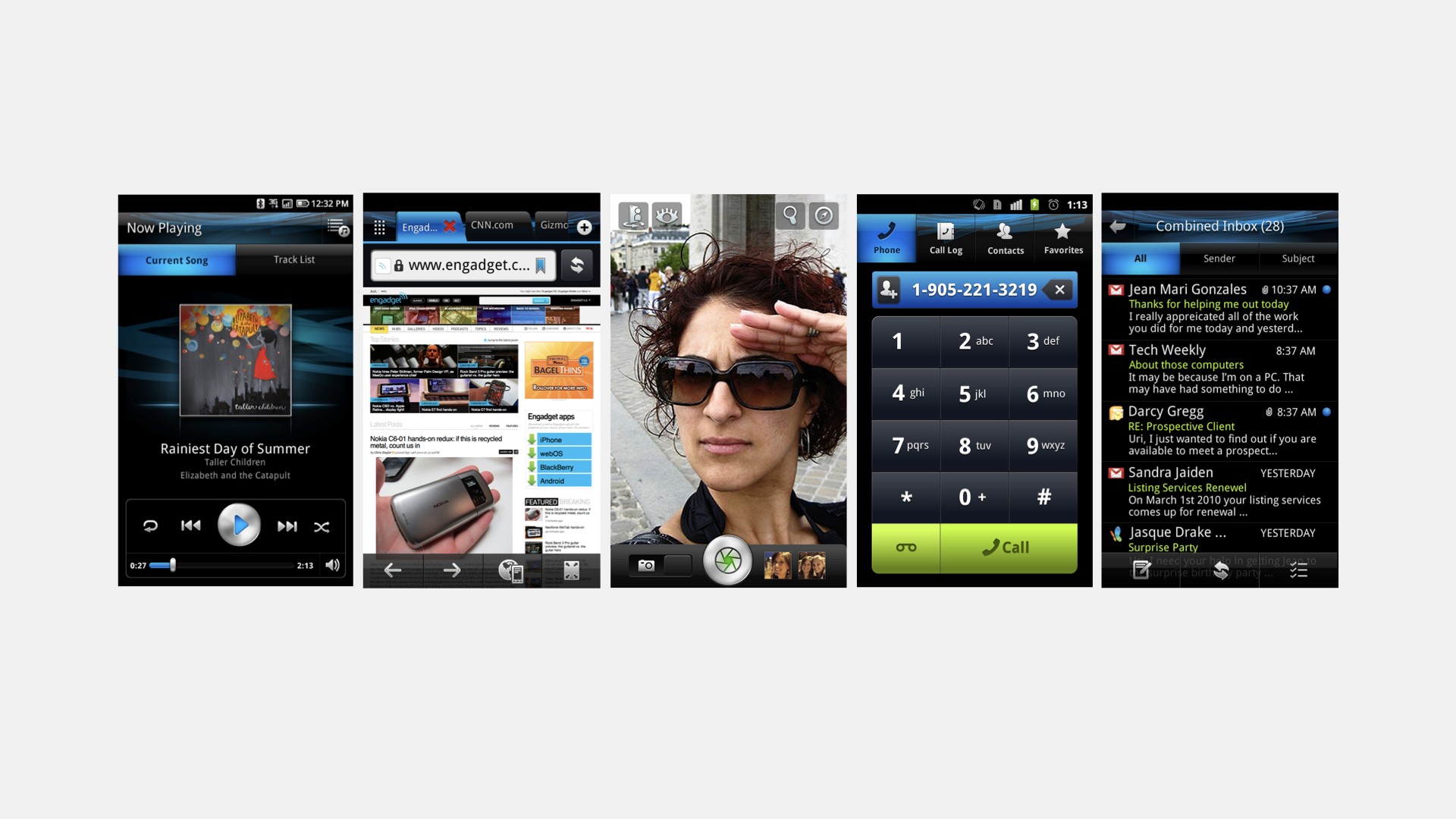
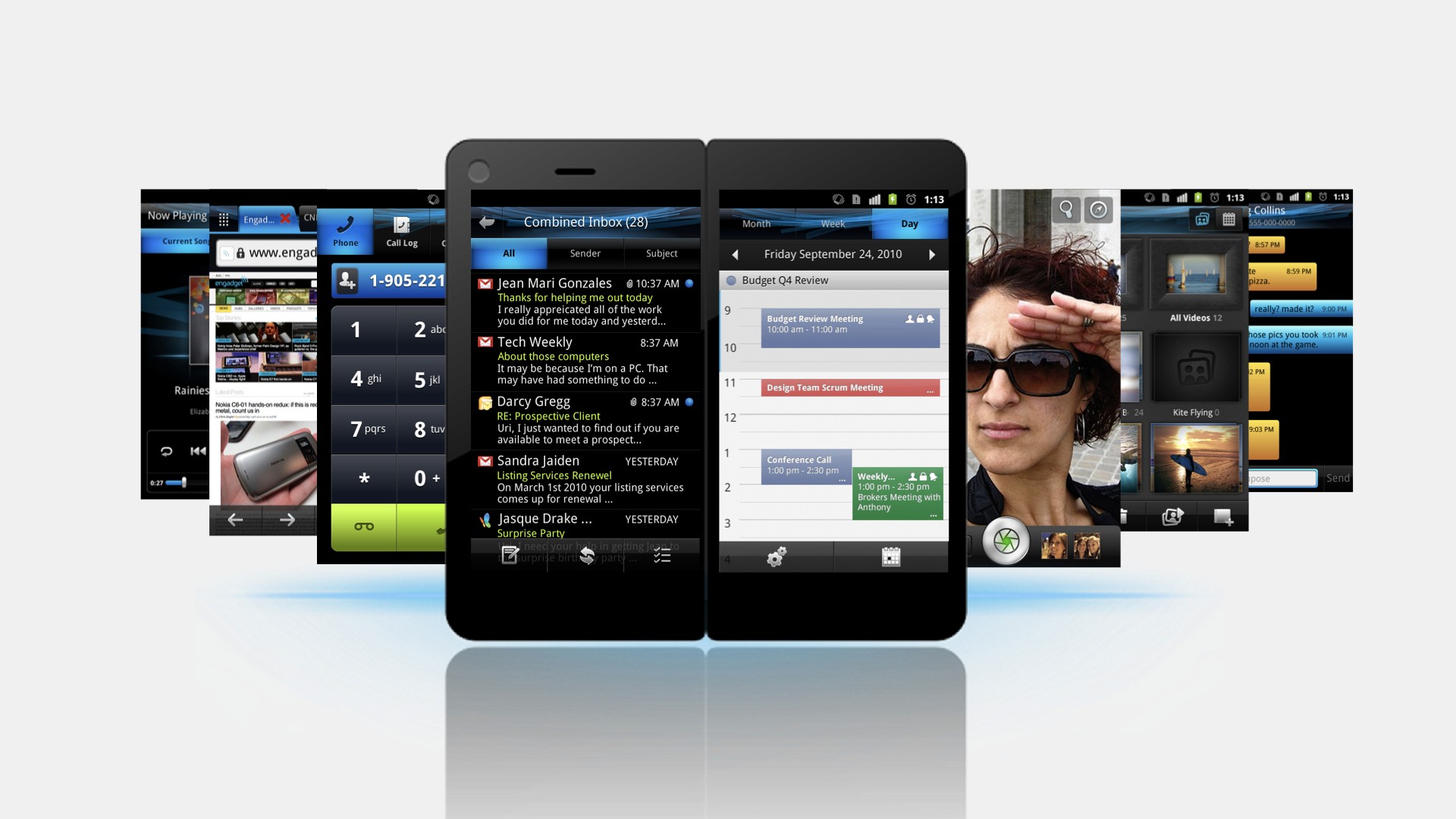
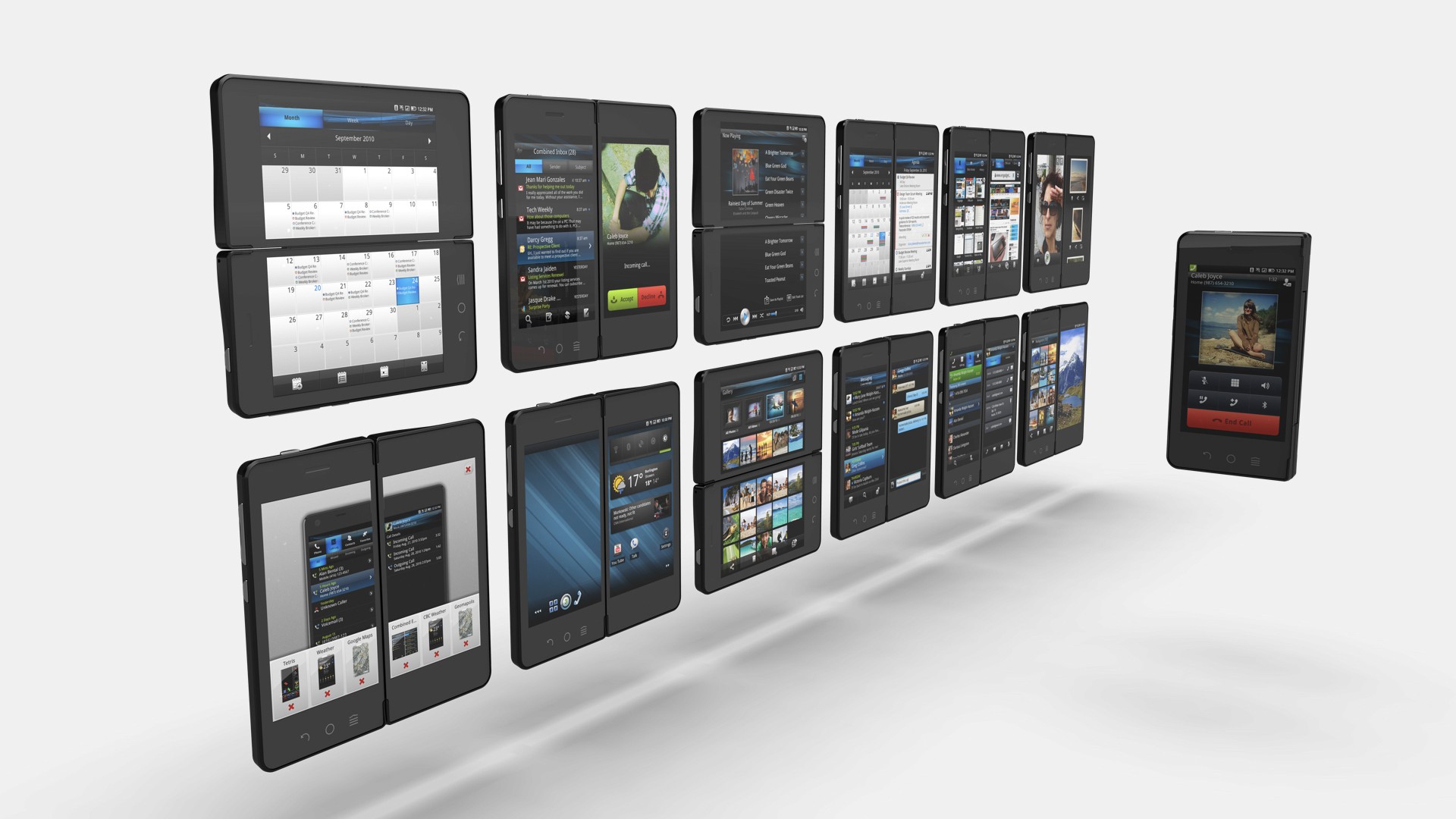
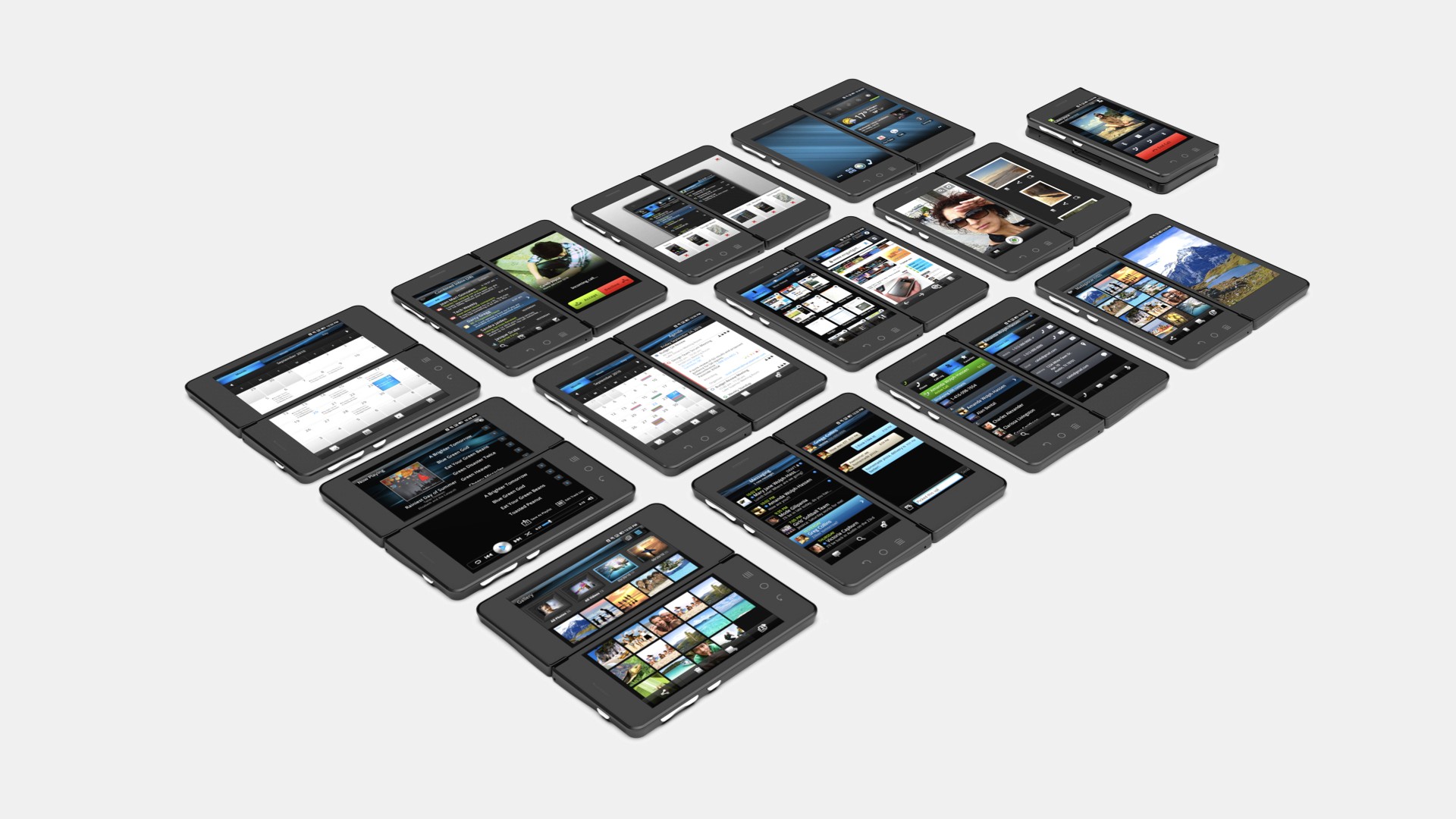
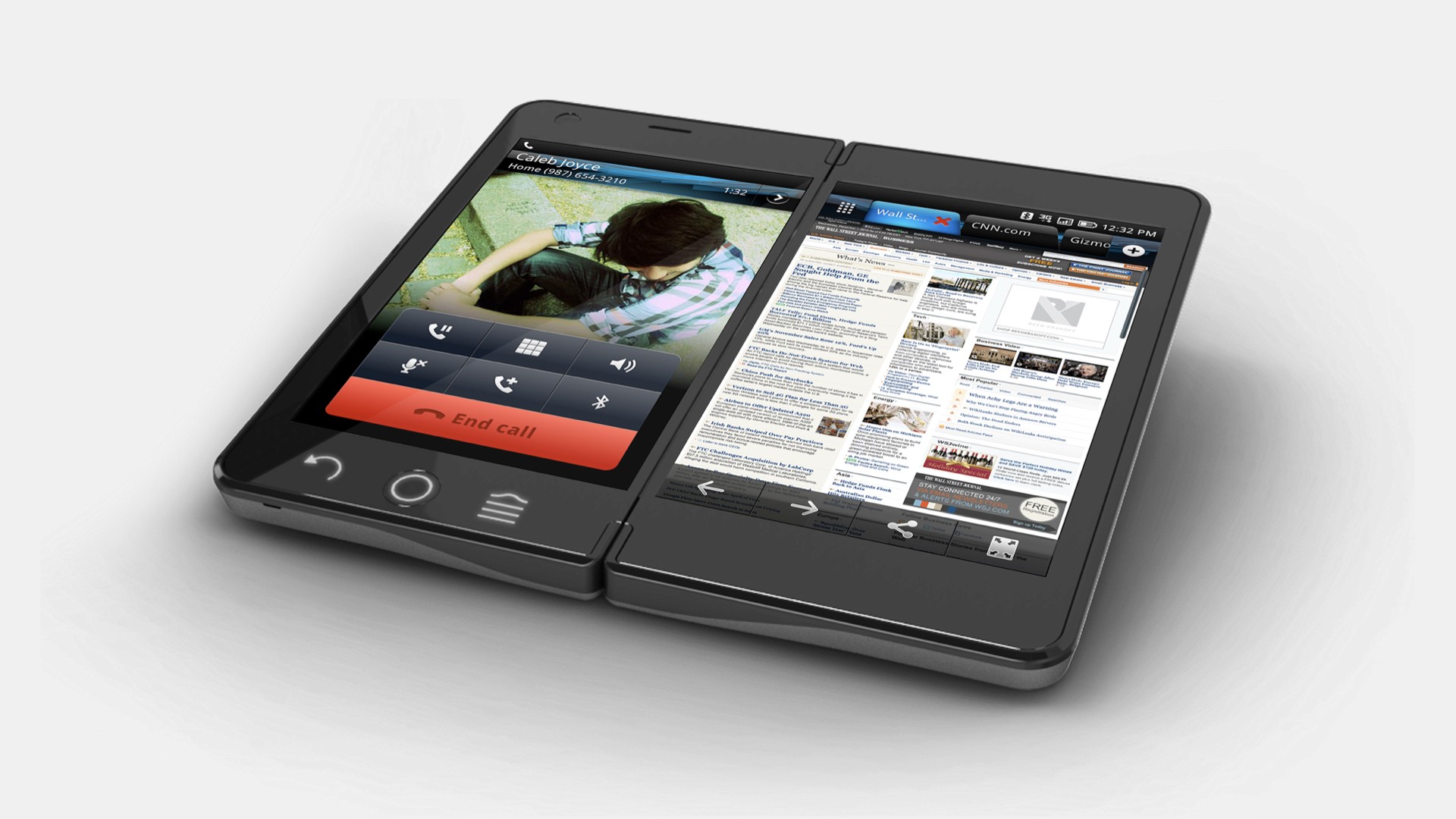
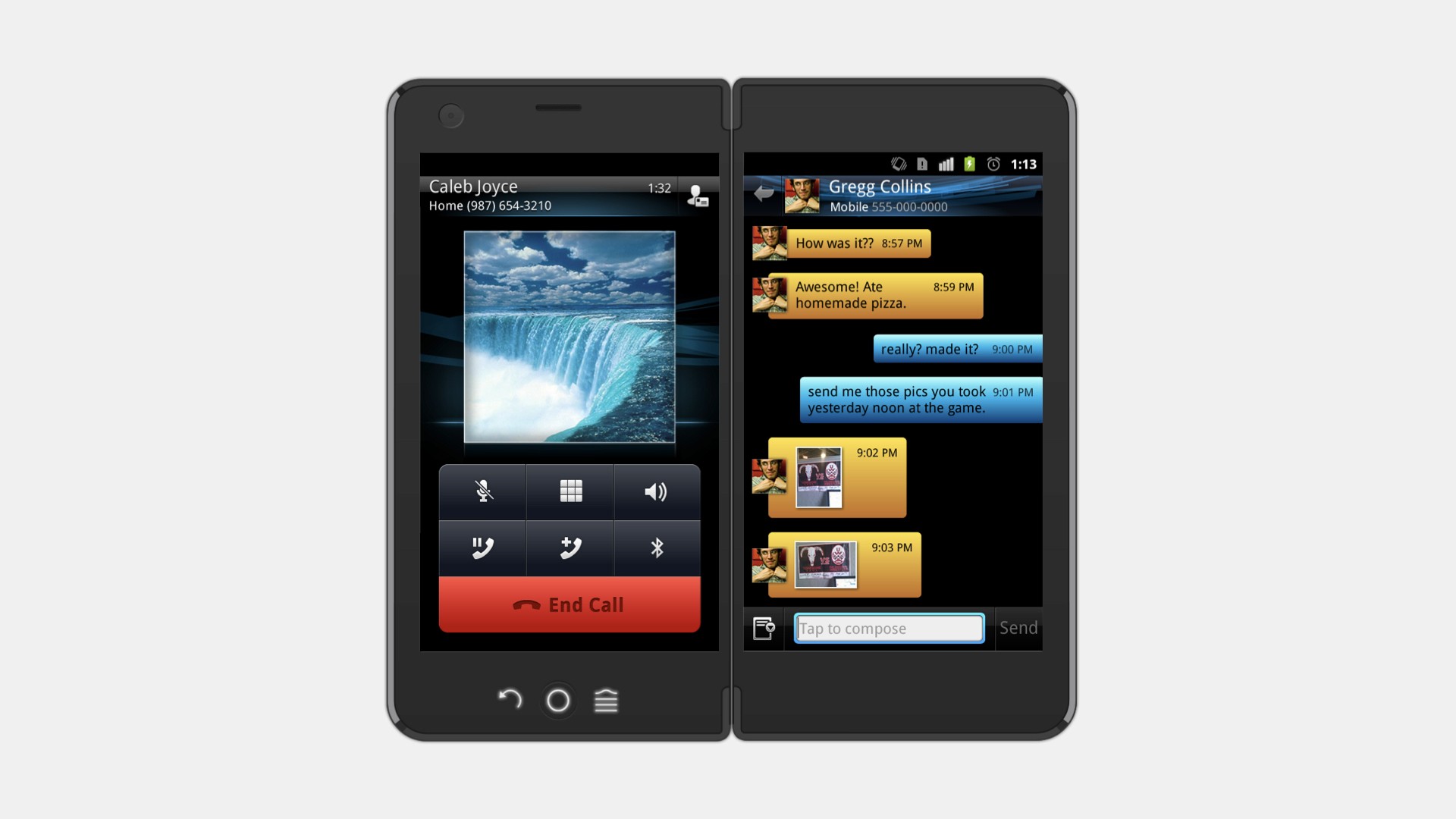
The Dual Screen Smartphone was the heart of the platform and the furthest along. The Core OS - comprising the Hardware Interaction Design layer and all System functions - was fully designed and delivered. The application suite of 11 native apps was production ready. This was the device we took to certification, presented at Google, and brought to market discussions with potential partners.
The SmartPad extended the phone into a tablet form factor via docking. The Core OS and application suite of 9 apps reached a design-complete state with working prototypes demonstrating the platform's core promise - that the phone could become the compute engine for a larger screen.
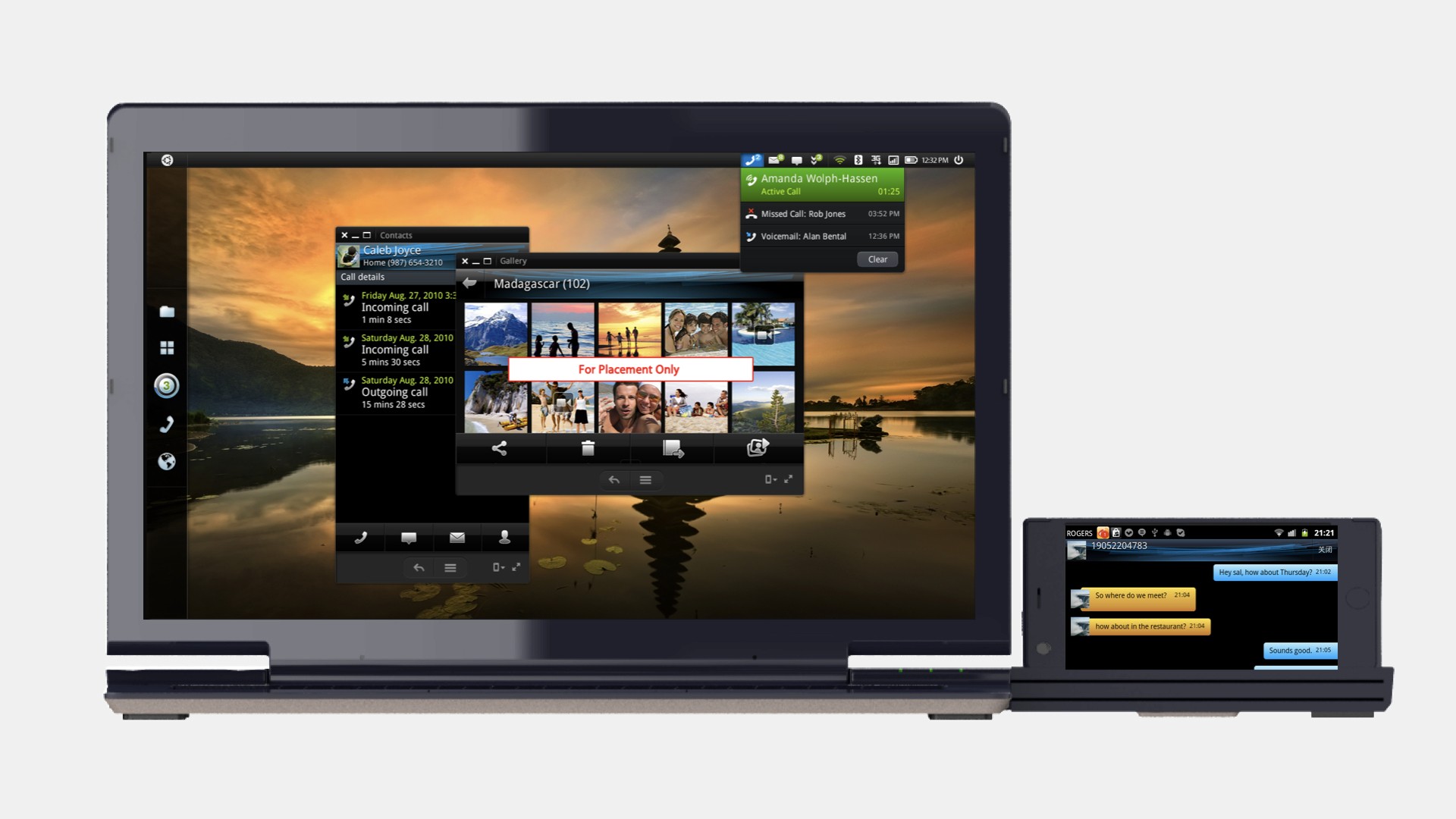
The PC Desktop pushed the concept furthest: the phone docking into a full desktop environment, running a Linux-fused OS with a custom application layer. The Core OS and 4 desktop applications reached design complete with early engineering builds underway. The most technically ambitious of the three - the Little Brother / Big Brother system architecture alone generated significant patent activity.
Taken together, the three platforms represent a coherent, designed, and partially built vision for cross-device computing - conceived and led before the tablet category existed.
3.0 - Design Innovation Program
Focused on Dual Screen Smartphone OS + Applications
The first phase was pure concepting - no reference points, no comparable products. I spent the first three to six months developing the North Star for the Dual Screen OS: the core use cases for single-screen to dual-screen transitions, the logic of how an application would behave when it spanned both displays, and what navigation could feel like when you had two surfaces instead of one.
I conceived the foundational application framework for the Dual Screen: what email looks like in one pane versus two, what happens to the Launcher, Gallery, and Calendar when the second screen appears, how core productivity apps adapt to a dual-surface context. I extended this across three to four anchor applications to establish the interaction principles before a single line of code was written. These decisions cascaded - every subsequent design choice on the Dual Screen OS traced back to the framework established here.
Discovery: Contextualized what dual-screen, cross-device computing actually means for a user in their hands - the Dual Screen phone as a primary computing device, not a novelty
Diverge: Generated the foundational Dual Screen OS concepts, application logic, and the interaction model for moving between single and dual-screen states
Converge: Resolved the core navigation system - making the hard call to reject menu-based screen switching in favour of a fluid, gesture-driven model
Visioning + IP: Framed the innovation opportunity across the Dual Screen OS and application layer - establishing the patent program that would yield 250+ applications and 150+ grants
4.0 - Design Elaboration Program
Focused on Dual Screen Smartphone OS + Applications
With the North Star established, I engaged Frog Design as the external design partner - not to define the vision, but to develop it. I worked directly with Frog's Chief Creative Officer, Principal Designer, and their extended team. The relationship was exceptional: built on mutual respect, genuine co-design, and a shared commitment to solving hard problems well.
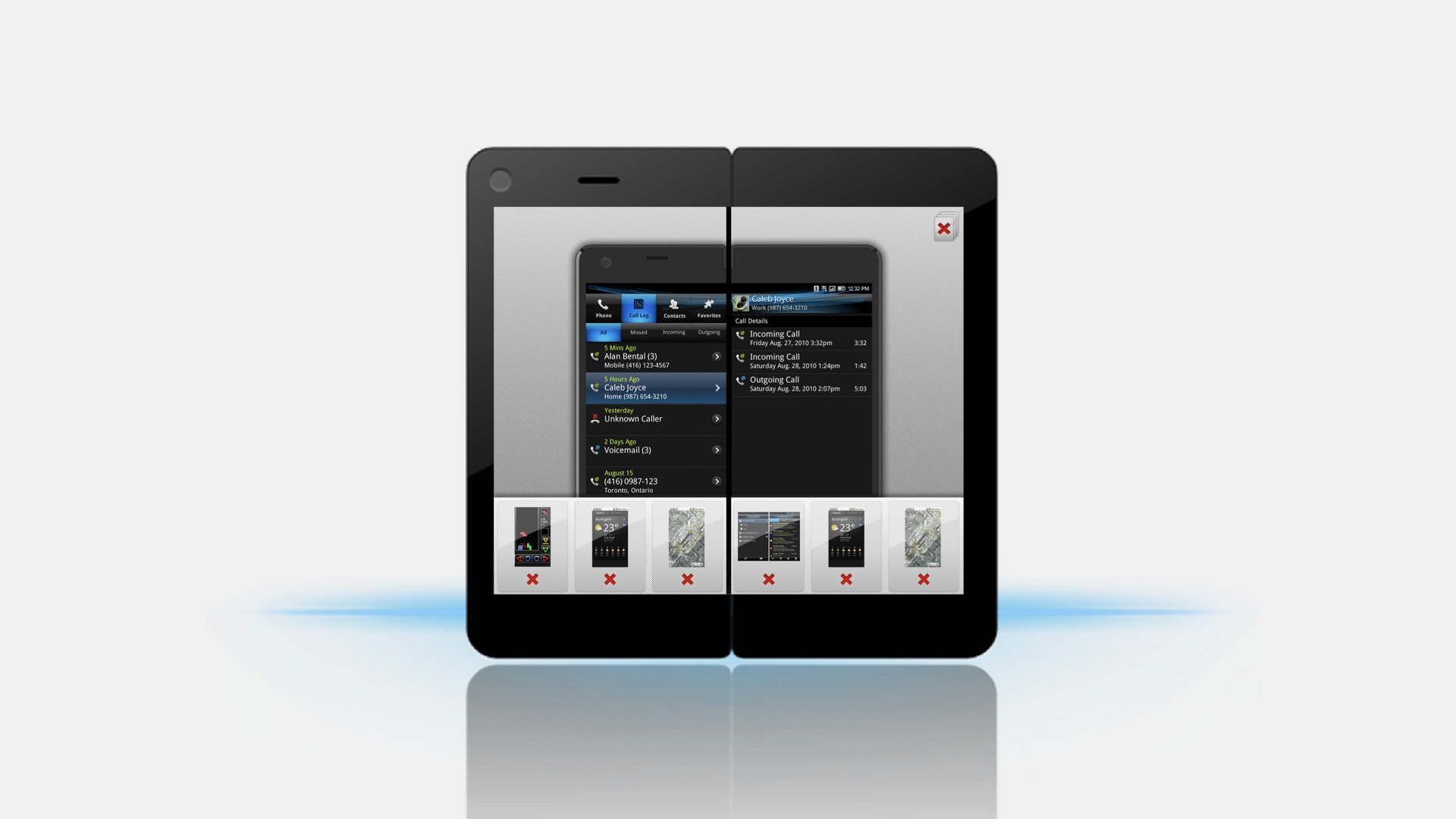
The hardest problem on the Dual Screen OS was the two-screen application system: how do you move an application from one screen to two - or have two applications live side by side - in a way that feels effortless rather than mechanical?
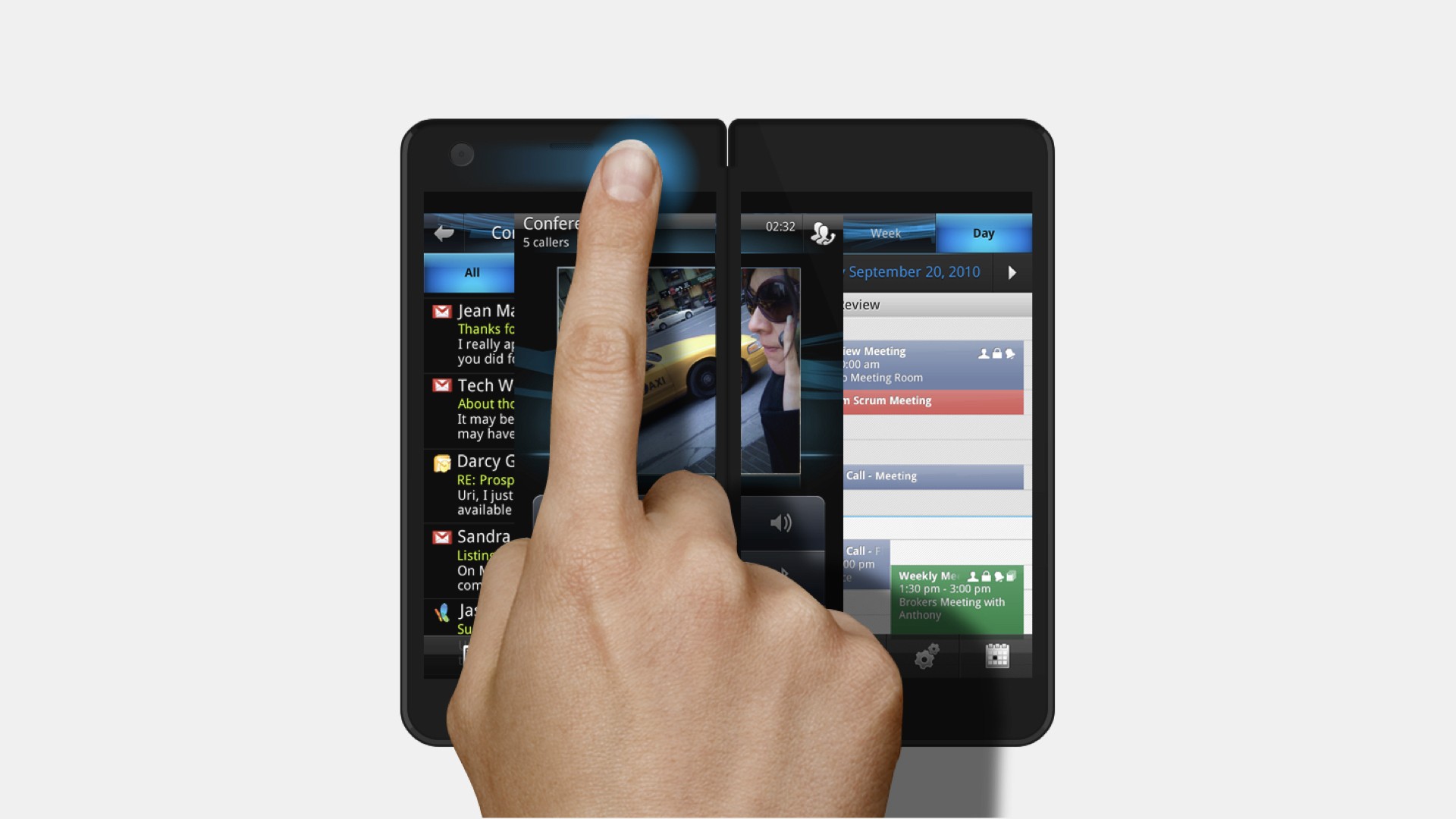
My original concept was an off-screen gesture region: a sensor strip at the edge of the display that let users drag applications across screens with a single finger motion. No menus. No mode-switching. Fluid, physical, direct. I took this to Frog, and we developed it together - I didn't direct from a distance, I designed actively alongside them. The concept evolved through that collaboration. The software development team then built working prototypes, solving genuinely hard engineering problems: display buffer management across two screens, and sensor stitching between the on-screen and off-screen regions. It worked.
From there, the elaboration program ran the full Dual Screen OS and application suite through five phases:
Discovery: Contextualize the design problem per OS feature and application
High-level design: Explore direction - OS architecture, application structure, dual-screen layout models
Foundation: Build the design system - components, patterns, dual-screen states, HID interactions
Detail design: Craft every interaction, every screen, every transition across the Core OS and all 11 applications
Construction: Implementation support - working daily with engineering to close the gap between specification and shipped quality across the Dual Screen platform
5.0 - Individual Operating Model
Throughout the program - even as the team grew to 25 - I remained a hands-on designer. Contributing where needed, stepping in where I saw gaps.
Design research and scenario mapping: Built the original use-case framework - single screen to dual screen, phone to SmartPad, SmartPad to desktop - that became the interaction logic for the entire cross-computing platform
Hardware Interaction Design (HID): Invented and specified the off-screen gesture layer for the Dual Screen OS - the system that made the dual-screen experience feel like a single coherent device rather than two screens bolted together
Foundational application design: Designed the first generation of all core Dual Screen applications before the team was built - establishing the dual-pane application model that every subsequent design built on
Active co-design with Frog: Not oversight - genuine side-by-side design work that shaped the final Dual Screen interaction system
Designer mentorship: Actively developed the craft and confidence of the internal team - inspiring designers to do the best work of their careers on a product with no rulebook
Product championship: Pitched and evangelised the product internally and externally - onboarding new leaders, presenting to executives, and keeping stakeholders aligned on the vision as the program evolved
Outcomes / Impact
Dual Screen Smartphone - Production Ready
Core OS (HID + System): 14 features designed and delivered
Applications: 11 designed and delivered
SmartPad - Design Complete, In Development
Core OS (HID + System): 12 features designed and delivered
Applications: 9 designed and delivered
PC Desktop - Design Complete, Early Builds
Core OS (HID + System): 11 features designed and delivered
Applications: 4 designed and delivered
25 Designers - recruited, built, and led across 4 teams and multiple sites
250+ Patent Applications filed | 150+ Granted Patents
The Dual Screen device passed all certification requirements, including a formal review presented to Google. Production-ready. First of its kind.
The original launch customer did not proceed. Flextronics could not take the product to market independently.
Rather than accept that as an ending, I led an exhaustive search for a new path - presenting the product to multiple companies. The strength of the design, and the team behind it, was compelling enough that it didn't result in a licensing deal. It resulted in a joint venture. Flextronics and Hisense founded a dedicated design and technology studio, seeded by the work we had built at Imerj. The design team and systems software team transferred into that new entity.
The project didn't ship. It became the next company.


/
Vision
(03)
My Impact and What I learned
Summary - Problem / Decision / Impact
Design Leadership
Problem: No design team, no design practice, no external partners - and a scope that kept expanding.
Decision: Built the org, the practice, and the external partnerships simultaneously - recruiting globally while managing Frog Design and multiple agency partners across four sites.
Impact: A 25-person world-class studio that could hold the quality bar independently, and a joint venture that carried the work forward.
Cross Computing Design
Problem: Three form factors, three OSes, no precedent for any of them.
Decision: Prioritised the Dual Screen smartphone to production ready while advancing the SmartPad and PC Desktop in parallel - managing scope and delivery state deliberately across the platform.
Impact: A cross-computing platform that was design-complete across all three form factors, with the Dual Screen device production ready and certified.
Design Innovation
Problem: No OS, no interaction model, no form factor to reference.
Decision: Spent three to six months concepting the North Star solo - establishing the Dual Screen application framework and core interaction principles before a single line of code was written.
Impact: Created the foundation that every downstream design and engineering decision was built on.
Design Elaboration
Problem: How do you move applications across two screens in a way that feels effortless, not mechanical?
Decision: Conceived the off-screen gesture region and co-designed the solution hands-on with Frog - not directing from above, but working in the files alongside them.
Impact: Delivered a production-ready interaction system that passed all certification, including a formal review at Google.
What This Taught Me
Three years building something with no map taught me that the most important thing a design leader does isn't make good design decisions - it's make the organisation capable of making good design decisions without you in the room.
By the time we reached production, I had built a team that could hold the quality bar independently. That's what made the pivot to Hisense possible. The asset wasn't the device. It was the people and the practice.
That's the principle I've carried into every design leadership role since: build the team like you're building to be replaced. The work lasts longer that way.